Sewer Hook-Up Companies
How to Choose the Right Contractor for a Safe, Code-Compliant Connection
Connecting a home or commercial building to a municipal sewer system is an important part of protecting public health, preserving groundwater quality, and ensuring reliable waste removal for decades to come. Sewer hook-ups involve excavation, pipe installation, municipal coordination, and strict compliance with plumbing and environmental regulations. Because of the complexity of the work, choosing a qualified sewer hook-up company is essential to ensure the job is safe, legal, and built to last.
Homeowners transitioning from septic, building new structures, repairing damaged sewer lines, or navigating municipal sewer expansion projects all rely on sewer hook-up professionals to guide the process. Understanding how sewer connections work, what affects cost, and what to look for in a contractor can save time, prevent costly mistakes, and provide long-term peace of mind.
What Sewer Hook-Up Companies Do
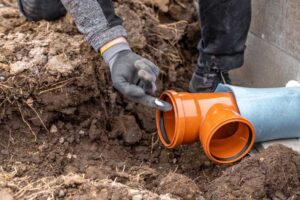
Sewer hook-up companies specialize in connecting private property plumbing systems to public sewer mains. The process typically includes:
- Locating the nearest sewer main and determining the tap-in point
- Coordinating with city or county permitting departments
- Excavating trenches and safely navigating around underground utilities
- Installing sewer piping at the correct slope for proper drainage
- Adding cleanouts for future maintenance access
- Conducting pressure or flow testing for safety and code compliance
- Scheduling and passing required municipal inspections
- Restoring landscaping, pavement, and other disturbed areas
Because sewer systems are tied to public infrastructure, only licensed plumbing contractors qualified to handle excavation and municipal coordination should perform this work. Attempting sewer work without professional expertise can result in fines, property damage, drainage issues, and future plumbing failures.
When a Sewer Hook-Up May Be Needed
While many properties are already connected to municipal sewer systems, several common circumstances call for a new hook-up:
| Situation | Why a Sewer Hook-Up Is Necessary | Key Notes |
| Switching from septic to public sewer | Septic system failure, municipal mandates, or property upgrades | Often required during home sales or remodels |
| Building a new home | All new structures need waste disposal systems | Requires early inspection and design planning |
| Sewer line damage or collapse | Aging pipes, soil movement, or tree root intrusion | Video inspections confirm damage extent |
| Neighborhood sewer expansion project | City sewer network becomes available to new areas | Some municipalities offer cost-sharing incentives |
As neighborhoods expand and septic systems age, many homeowners choose to connect to municipal sewer systems for convenience and reliability.
How the Sewer Hook-Up Process Works
Each property is unique, but most sewer hook-up projects follow a predictable timeline.
1. Site Evaluation
A licensed plumber performs measurements, reviews drainage paths, identifies municipal tap-in points, and checks for obstacles like driveways, retaining walls, utilities, or large tree root systems. Proper planning reduces disruptions during excavation.
2. Permits and Municipal Coordination
Sewer installations require permits to ensure safety and environmental compliance. The contractor typically handles:
- Permit applications
- Inspection scheduling
- Documentation for city and county compliance records
Working with a company already familiar with local codes speeds up approval timelines.
3. Excavation and Utility Marking
The contractor digs a trench from the building’s main drain line to the public sewer connection point. Before digging, “Call 811” utility location services ensure safe clearance around gas, electrical, and water lines.
4. Pipe Installation and Cleanout Placement
Contractors install sewer-grade piping (often PVC SDR-35 or equivalent) at a precise slope to ensure smooth wastewater flow. Cleanouts are placed at key intervals to allow easy future maintenance.
5. Inspection and System Approval
A city or county inspector verifies that the connection is safe, compliant, properly sloped, and leak-tested. Only after approval can the trench be backfilled.
6. Property Restoration
The contractor restores disturbed surfaces, which may include:
- Grass or soil replacement
- Asphalt or concrete patching
- Retaining wall repairs
- Re-grading to ensure proper drainage
Well-executed restoration preserves curb appeal and property value.
Factors That Influence Sewer Hook-Up Cost
Sewer connections vary in complexity, and costs range widely depending on property and municipal variables. Key price factors include:
- Distance to the municipal sewer main
- Soil type and terrain (rocky or steep areas require more work)
- Driveway, hardscaping, or structural obstructions
- Existing pipe condition
- Municipal sewer tap fees
- Septic tank removal or decommissioning, if applicable
Typical residential sewer hook-up costs start around $4,500 and may exceed $15,000+ when trenching distance is long, access is limited, or surface restoration requires significant labor.
A licensed sewer hook-up company performs a site assessment before providing a quote to ensure accurate cost expectations.
Sewer Hook-Up vs. Staying on Septic
| Feature | Municipal Sewer System | Septic System |
| Long-Term Maintenance | Low maintenance once connected | Requires regular pumping and inspections |
| Upfront Cost | Higher initial connection cost in some cases | Lower cost if septic is already installed and functioning |
| Reliability | Consistent performance with municipal oversight | Performance depends on soil health and tank care |
| Environmental Risk | Low when properly maintained | Risk of groundwater contamination if poorly maintained |
| Home Value | Often increases resale value | Buyers may hesitate due to maintenance responsibility |
Switching to municipal sewer often increases convenience and reduces long-term repair risks, especially in aging septic properties.
How to Choose a Reliable Sewer Hook-Up Contractor
Selecting the right company ensures reliability, compliance, and fair pricing. Consider the following criteria:
1. Licensing, Certification, and Insurance
Verify that the contractor holds:
- A valid plumbing license
- Municipal sewer installation authorization (if required)
- Liability and excavation insurance
This protects the homeowner from liability and ensures the work is legal.
2. Experience with Local Sewer Systems
Local contractors familiar with your city’s soil, inspection process, and sewer layout complete projects more efficiently.
3. Transparent Written Estimates
A professional estimate should break down:
- Labor costs
- Materials
- Permit fees
- Surface restoration
- Optional services (inspection cameras, septic removal, etc.)
Avoid companies that provide vague or verbal-only pricing.
4. Track Record and Reviews
Look for:
- Verified customer testimonials
- Before-and-after job photos
- Multiple years of consistent operation
Reputation matters when dealing with underground systems that must last decades.
5. Warranty and Post-Service Support
Reputable companies offer warranties on workmanship and materials, backing their expertise long after the project is complete.
Additional Services Many Sewer Hook-Up Companies Offer
Many contractors who perform sewer installations also assist with:
- Sewer line inspections using video cameras
- Hydro-jetting to remove build-up or root intrusion
- Trenchless pipe repair or pipe bursting for minimal disturbance
- Septic tank pumping, removal, or safe abandonment
- Drain cleaning and clog prevention services
- Preventative maintenance to reduce sewer backup risks
This can make ongoing system care simpler, especially for older homes.
Answers to Common Sewer Connection Questions
How long does a sewer hook-up usually take?
Most residential sewer hook-ups take between one and five days to complete. The timeline depends on factors such as trench length, soil type, accessibility, weather, and municipal inspection scheduling. If septic system removal or driveway/yard restoration is required, the project may take longer. Local permitting timelines can also influence overall duration. Reliable contractors outline the schedule clearly and handle inspection coordination to keep the project moving smoothly.
Do I need a permit to connect to a municipal sewer system?
Yes. Municipal sewer hook-ups require permits to ensure the work meets building codes, environmental regulations, and safety standards. A licensed sewer hook-up company typically manages the permitting process, submits necessary documents, and schedules required inspections. Attempting a sewer connection without proper permits can lead to fines, legal issues, and mandatory rework, so professional oversight is essential.
Can I connect to the sewer if the main line is far from my property?
Yes, although costs may be higher when the sewer main runs a significant distance from the property. The contractor may need to trench across driveways or landscaping, install longer piping, or use directional drilling in challenging terrain. A site evaluation helps determine the most efficient route and accurate cost. Even when the sewer main is far away, long-term reliability benefits often outweigh initial expense.
What happens to my old septic tank after sewer connection?
If you are switching from septic to public sewer, the old septic tank must be safely decommissioned. This typically involves pumping the tank, cleaning it, crushing or removing it, and filling the remaining cavity with sand or gravel. This prevents soil collapse and eliminates contamination risk. Licensed contractors ensure this process meets environmental and structural safety standards.
How to Ensure a Smooth and Reliable Sewer Hook-Up
- Sewer hook-ups require specialized knowledge in excavation, plumbing codes, municipal coordination, and soil management.
- Working with licensed sewer hook-up companies prevents damage, drainage failures, and regulatory issues.
- Costs vary depending on trenching distance, soil conditions, restoration needs, and municipal fees.
- Choosing a contractor with transparent pricing, local experience, and strong reputation ensures a long-lasting, compliant installation.
- Municipal sewer connections offer long-term reliability and lower maintenance compared to septic systems, especially in growing neighborhoods.
A well-executed sewer hook-up protects your property, safeguards community water quality, and adds to the overall comfort and value of your home.
Choose a Sewer Connection Team You Can Rely On
When it comes to sewer hook-ups, you deserve a team that handles every detail—from permits to restoration—so the process feels seamless and stress-free. Ocean Air Plumbing brings experience, precision, and trusted expertise to every job. Whether you’re switching from septic or connecting a new property, their licensed plumbing professionals are equipped to manage the entire project with care and clarity.