Heating System Problems You Shouldn’t Ignore
Heating systems rarely fail without warning. Long before a complete breakdown, small changes begin to show. Comfort drops. Energy bills rise. Noises appear. Odors linger. These early signals matter.
Recognizing the signs of a failing heat system allows homeowners to act early, avoid emergency repairs, and protect both safety and indoor comfort. Whether the system is a furnace, boiler, or heat pump, the warning signs are often similar.
Why Heating Systems Start to Fail
Heating equipment operates under heavy demand during colder months. Over time, components wear down. Airflow becomes restricted. Sensors lose accuracy. Small inefficiencies compound into larger problems.
Common contributors to heating system failure include:
- Lack of routine maintenance
- Dirty or clogged air filters
- Aging components and outdated technology
- Electrical or control board issues
- Fuel delivery or combustion problems
According to the U.S. Department of Energy, neglected heating systems consume more energy, experience more breakdowns, and have shorter lifespans than properly maintained equipment (energy.gov).
1. Uneven Heating Throughout the Home
Uneven heating is often one of the earliest warning signs.
What homeowners notice
- Cold rooms alongside warm ones
- Certain areas never reaching the thermostat setting
- Upstairs or distant rooms staying noticeably cooler
What it often means
- Failing blower motor
- Blocked or leaking ductwork
- Improper system sizing
- Aging heat exchanger
Uneven temperatures usually indicate airflow or distribution issues, not thermostat failure.
2. Rising Energy Bills Without Increased Usage
A struggling heating system works harder to maintain comfort.
Red flags include
- Sudden winter bill increases
- Longer system run times
- Heating costs climbing year over year
When efficiency drops, the system compensates by running longer cycles. ENERGY STAR notes that inefficient heating systems are among the largest contributors to unnecessary winter energy costs (energystar.gov).
3. Unusual Noises During Heating Cycles
Heating systems should operate quietly. New or worsening noises are never normal.
Common sounds and their causes
| Noise | Possible Cause | Severity |
| Banging or popping | Duct expansion or ignition issues | Medium |
| Rattling | Loose panels or internal components | Medium |
| Screeching | Worn blower motor bearings | High |
| Clicking | Electrical or ignition problems | Medium–High |
Persistent noise often signals mechanical wear or imminent component failure.
4. Short Cycling or Constant Operation
Healthy systems run in steady, predictable cycles.
Short cycling
- System turns on and off repeatedly
- Often caused by overheating or sensor malfunction
Constant running
- System struggles to reach set temperature
- Indicates reduced heating capacity or airflow restrictions
Both patterns increase energy use and accelerate wear.
5. Cold or Lukewarm Air From Vents
Warm air should flow shortly after the system starts.
Possible causes
- Burner or ignition failure
- Heat pump reversing valve malfunction
- Failing heat exchanger
Consistent cold air indicates the system is not producing heat effectively and requires immediate inspection.
6. Burning, Musty, or Chemical Odors
Some odors are expected briefly at the start of the heating season. Others are not.
Smells that signal trouble
- Burning plastic or electrical odors
- Musty smells from moisture or mold in ductwork
- Sharp chemical or gas-like smells
The CDC warns that gas-related odors may indicate carbon monoxide risks and should never be ignored (cdc.gov).
7. Frequent Repairs and Repeated Service Calls
Occasional repairs are normal. Frequent ones are not.
Warning pattern
- Multiple service calls in one season
- Replacing the same components repeatedly
- Repair costs increasing each visit
At this stage, continued repairs often provide diminishing returns.
8. Pilot Light or Ignition Problems
Gas heating systems depend on reliable ignition.
Common warning signs
- Pilot light frequently going out
- Yellow or flickering flame instead of steady blue
- Delayed ignition or loud ignition noises
These issues may indicate combustion problems or failing safety controls.
9. Declining Indoor Air Quality
Heating systems play a major role in air circulation.
Symptoms homeowners notice
- Increased dust buildup
- Dry air or respiratory irritation
- Worsening allergy symptoms
Failing systems often circulate unfiltered air and contaminants through ductwork.
10. System Age Beyond Its Expected Lifespan
Every heating system has a functional lifespan.
Typical averages
- Furnaces: 15–20 years
- Boilers: 20–25 years
- Heat pumps: 10–15 years
Older systems are less efficient, harder to repair, and more prone to sudden failure.
When Heating Problems Become a Safety Concern
Certain symptoms indicate immediate risk.
Contact a professional right away if you notice
- Gas odors
- Carbon monoxide detector alerts
- Electrical burning smells
- Visible cracks or corrosion on heating components
Safety issues should never be delayed.
Repair vs. Replacement: How to Evaluate Your Options
Not every issue requires replacement. The decision depends on cost, age, and reliability.
| Consideration | Repair | Replacement |
| System age | Under 10 years | Over 15 years |
| Repair cost | Minor | Major or recurring |
| Efficiency | Still acceptable | Consistently poor |
| Comfort | Mostly reliable | Ongoing issues |
A professional assessment provides clarity before making a long-term decision.
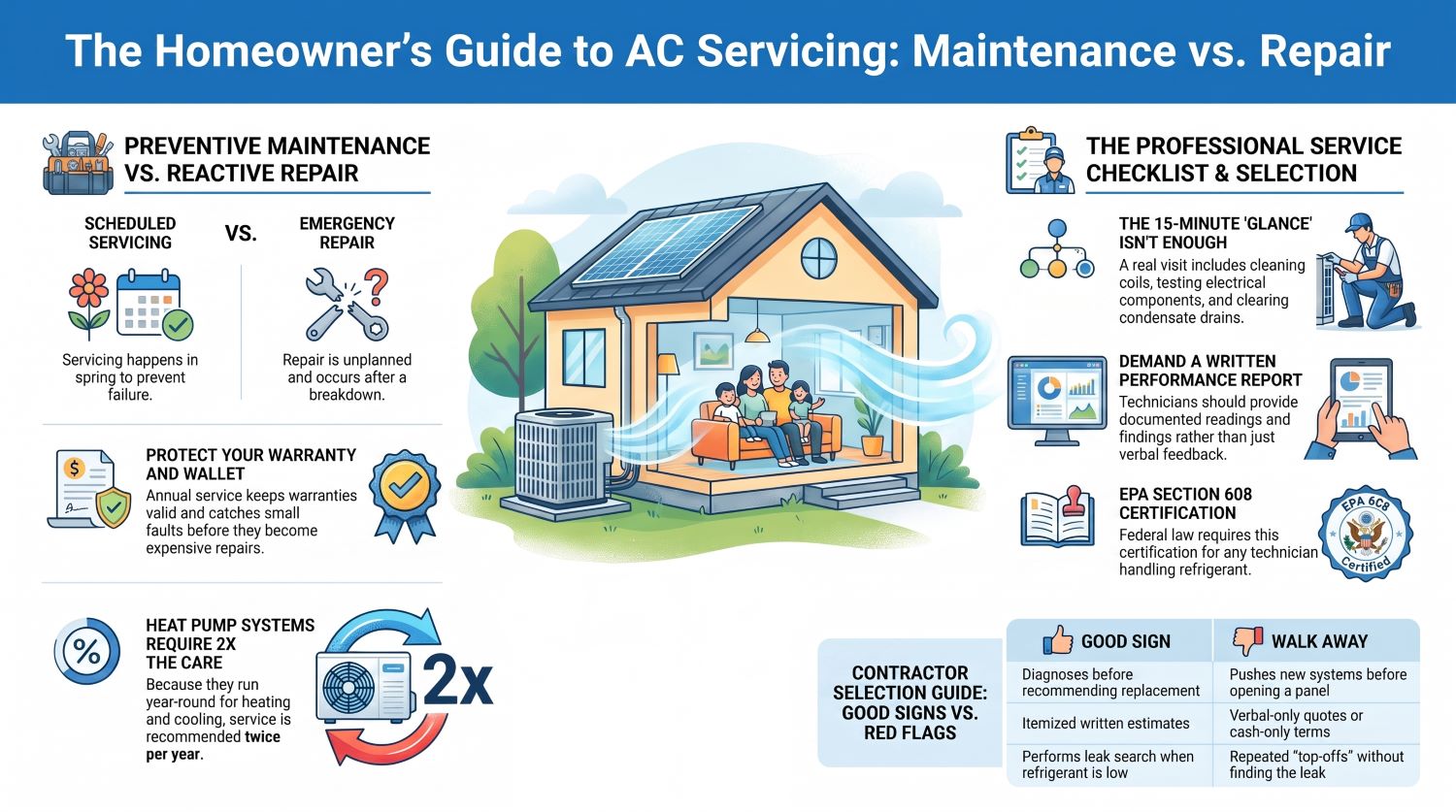
How Preventive Maintenance Helps Prevent Failure
Routine maintenance keeps systems operating efficiently and safely.
Key benefits
- Improved efficiency
- Reduced emergency repairs
- Longer system lifespan
- Safer operation
Industry guidance from the Air Conditioning Contractors of America confirms that annual maintenance significantly reduces breakdown risk (acca.org).
Heating Services That Address Failing Systems
Professional HVAC providers offer solutions tailored to system conditions.
Common services include
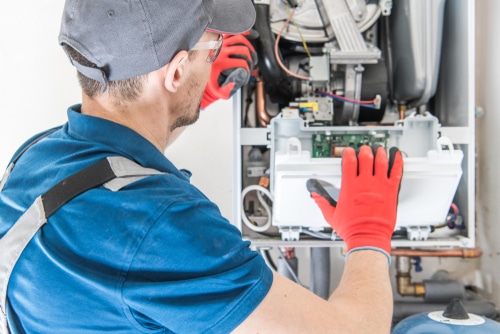
- Heating system diagnostics
- Furnace and boiler repair
- Heat pump service
- Seasonal maintenance
- Full system replacement
Ocean Air Plumbing offers comprehensive heating services designed to restore comfort and reliability. Learn more at
https://oceanaircool.com
Quick Reference: Common Signs of a Failing Heating System
- Uneven temperatures
- Rising utility bills
- Unusual noises
- Short cycling
- Cold air from vents
- Persistent odors
- Frequent repairs
- Poor indoor air quality
Early action reduces cost and prevents emergency breakdowns.
The Most Telling Signs of Heating System Failure
- Heating systems almost always show warning signs before they fail completely.
Loss of comfort, unusual noises, and rising energy bills typically appear weeks or months before a full breakdown. Paying attention to these early signals gives homeowners more control over timing and cost. - Uneven heating and longer run times often point to airflow or efficiency problems.
Cold rooms, weak airflow, or systems that run constantly usually indicate blocked ducts, dirty filters, or worn components. These issues rarely resolve on their own and tend to worsen under continued use. - Unusual smells or sounds should never be ignored.
Burning odors, gas smells, rattling, or screeching noises often signal mechanical or safety-related issues. Addressing them early helps prevent further damage and reduces the risk of emergency shutdowns. - Frequent repairs are a sign the system is losing reliability.
When service calls become more common or the same parts need repeated replacement, the system may be nearing the end of its functional life. At that point, ongoing repairs often cost more than a long-term solution. - Older heating systems are more vulnerable to sudden failure.
As systems age, efficiency drops and parts wear out faster. Even if an older unit is still running, it may struggle during peak cold weather when demand is highest. - Safety concerns require immediate professional attention.
Gas odors, carbon monoxide alerts, or electrical burning smells should always be treated as urgent. Turning off the system and calling a qualified technician helps protect occupants and the home. - Preventive maintenance remains the most effective way to avoid heating failure.
Annual inspections help identify small problems before they escalate, improve efficiency, and extend equipment lifespan. Maintenance also supports safer system operation throughout the heating season. - Early professional evaluation saves money and stress.
Catching issues early allows for planned repairs or replacement instead of emergency service. Homeowners benefit from better comfort, lower costs, and fewer unexpected disruptions.
Schedule Service Before a Breakdown
Heating problems rarely resolve on their own. Addressing issues early protects comfort, safety, and long-term system performance.
For professional heating inspections, repairs, or replacements, contact Ocean Air Plumbing today.
Schedule service here:
https://oceanaircool.com/contact-us/
Frequently Asked Questions About Failing Heating Systems
How can I tell if my heating system is failing or just needs maintenance?
A system that needs maintenance may show mild issues like reduced airflow or slightly higher bills. A failing system shows persistent problems such as uneven heating, strange noises, frequent shutdowns, or repeated repairs. If problems return shortly after service, failure may be approaching. A professional diagnostic provides the most reliable answer.
Is it safe to keep using a failing heating system?
Not always. Certain failures create serious safety risks, including gas leaks, carbon monoxide exposure, and electrical hazards. Cracked heat exchangers and ignition problems are especially dangerous. If you notice gas smells, burning odors, or carbon monoxide alerts, stop using the system and contact a professional immediately.
How long can a failing heating system last?
There is no guaranteed timeline. Some systems operate for months with declining performance, while others fail suddenly. Once warning signs appear, reliability drops significantly. Continued operation often leads to higher repair costs and unexpected breakdowns.
When does replacement make more sense than repair?
Replacement becomes the better option when a system is older, inefficient, and requiring frequent repairs. Rising energy bills and declining comfort also indicate that repair costs may no longer be worthwhile. A professional evaluation helps determine the most cost-effective path.
Can airflow problems cause heating system failure?
Yes. Restricted airflow forces the system to overwork, leading to overheating and component damage. Dirty filters, blocked vents, and duct leaks are common causes. Maintaining proper airflow is essential for safe and efficient operation.