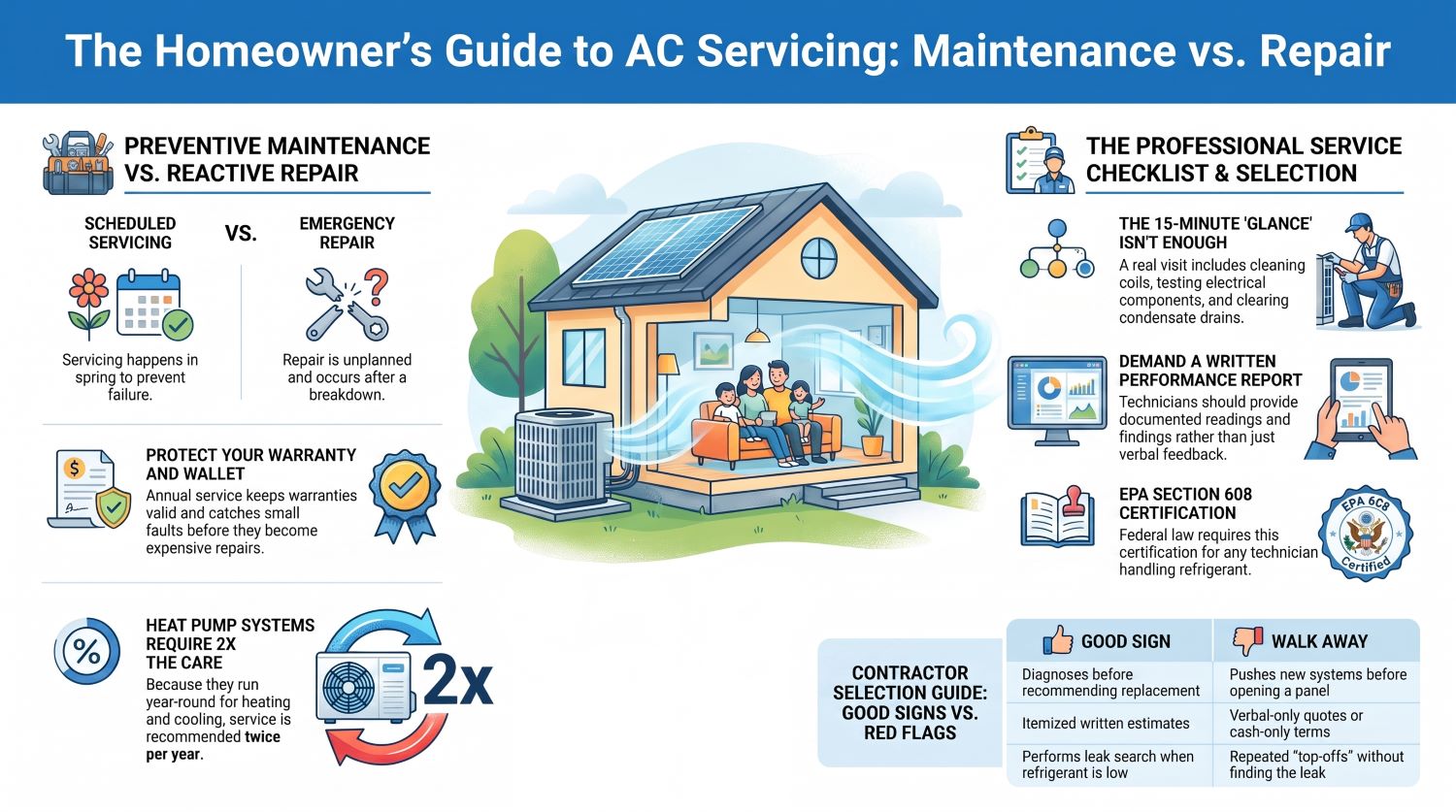
How to Size a Heat Pump for Your Home
To size a heat pump for a home, you must calculate the home’s heating and cooling load using square footage, insulation levels, climate zone, windows, and air leakage—not guess based on the old system. Proper sizing ensures comfort, efficiency, and system longevity.
Ocean Air Services
Choosing the correct heat pump size is one of the most important decisions a homeowner can make when installing or replacing HVAC equipment. An oversized or undersized heat pump can lead to higher energy bills, uneven temperatures, excess wear, and reduced comfort. This guide explains how heat pump sizing works, what factors matter most, common mistakes to avoid, how sizing affects efficiency and costs, and when replacement or system changes make sense.
How Heat Pump Sizing Works
How heat pump size is measured
Heat pump size is measured in BTUs (British Thermal Units) or tons, where one ton equals 12,000 BTUs per hour. This rating reflects how much heat the system can move—not how much electricity it uses.
A properly sized heat pump matches the home’s actual heating and cooling demand at peak conditions, rather than relying on averages or rules of thumb.
Why square footage alone is not enough
While square footage is a starting point, it is not sufficient on its own. Two homes with the same size can have very different heating and cooling needs depending on construction quality, insulation, and climate.
Professional sizing relies on a Manual J load calculation, an industry-standard method developed by the Air Conditioning Contractors of America (ACCA).
Key Factors That Determine Heat Pump Size
Climate zone and outdoor temperatures
Local climate has a major impact on sizing. Homes in colder regions require more heating capacity, while homes in warmer climates may prioritize cooling performance.
The U.S. Department of Energy divides the country into climate zones that help contractors determine peak heating and cooling loads.
Home insulation and air sealing
Well-insulated homes with sealed air leaks retain heat more effectively, allowing smaller heat pumps to perform efficiently. Poor insulation or significant air leakage increases required capacity.
Key insulation factors include:
- Wall and attic insulation levels
- Basement or crawl space insulation
- Air leakage around doors and windows
Windows, doors, and solar gain
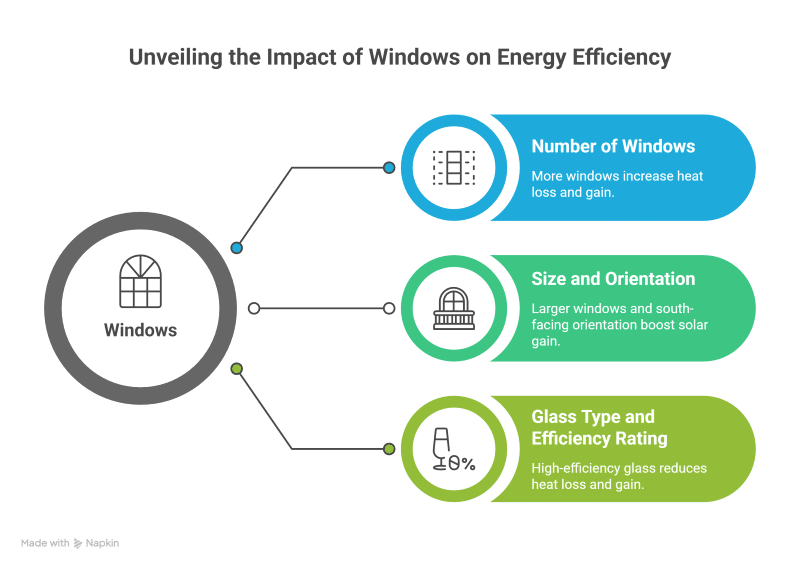
Windows significantly affect heat loss and gain. Factors include:
- Number of windows
- Size and orientation
- Glass type and efficiency rating
South-facing windows may increase solar heat gain, while older single-pane windows increase heat loss.
Ceiling height and layout
Homes with vaulted ceilings or open floor plans often require additional capacity due to greater air volume. Multi-story homes may need zoning or separate systems for balanced comfort.
Occupancy and internal heat sources
Appliances, lighting, and occupants generate heat. While this can reduce heating demand slightly, it increases cooling demand—another reason accurate calculations matter.
Common Heat Pump Sizes by Home Characteristics
| Home Size (Approx.) | Typical Heat Pump Size* |
| 1,000–1,500 sq ft | 2–3 tons |
| 1,500–2,000 sq ft | 3–4 tons |
| 2,000–2,500 sq ft | 4–5 tons |
| 2,500+ sq ft | 5+ tons |
*Actual sizing varies based on climate, insulation, and home design. This table is not a substitute for a load calculation.
Ducted vs Ductless Heat Pump Sizing
How ducted systems are sized
Ducted heat pumps must be sized not only for the home’s load but also for duct capacity. Undersized or leaky ducts can restrict airflow and reduce system performance.
Proper duct evaluation includes:
- Duct size and layout
- Leakage testing
- Airflow balancing
How ductless systems are sized
Ductless mini-split systems are sized by zone rather than the entire home. Each indoor unit is matched to the room or area it serves, making them more flexible for additions or older homes.
| Feature | Ducted Heat Pump | Ductless Heat Pump |
| Coverage | Whole home | Individual zones |
| Sizing approach | Total home load | Room-by-room load |
| Installation complexity | Higher | Lower |
| Best for | Homes with ducts | Homes without ducts |
Efficiency and Energy Savings Impact of Proper Sizing
Why proper sizing improves efficiency
A correctly sized heat pump runs longer, steadier cycles. This improves heat transfer efficiency, humidity control, and overall comfort.
Oversized systems:
- Short cycle frequently
- Waste energy
- Wear components faster
Undersized systems:
- Run continuously
- Struggle in extreme temperatures
- Increase energy consumption
Efficiency rating considerations
Heat pump efficiency is measured using SEER for cooling and HSPF for heating.
| Metric | What It Measures | Higher Is Better |
| SEER | Cooling efficiency | Yes |
| HSPF | Heating efficiency | Yes |
| COP | Instant heating efficiency | Yes |
A high-efficiency heat pump will not perform as intended if improperly sized.
Costs and Pricing Factors Related to Sizing
How sizing affects installation cost
Larger systems generally cost more due to:
- Higher equipment costs
- Electrical upgrade requirements
- Larger duct or refrigerant line needs
However, installing a larger system than needed does not improve comfort and often increases long-term operating costs.
Long-term operating cost considerations
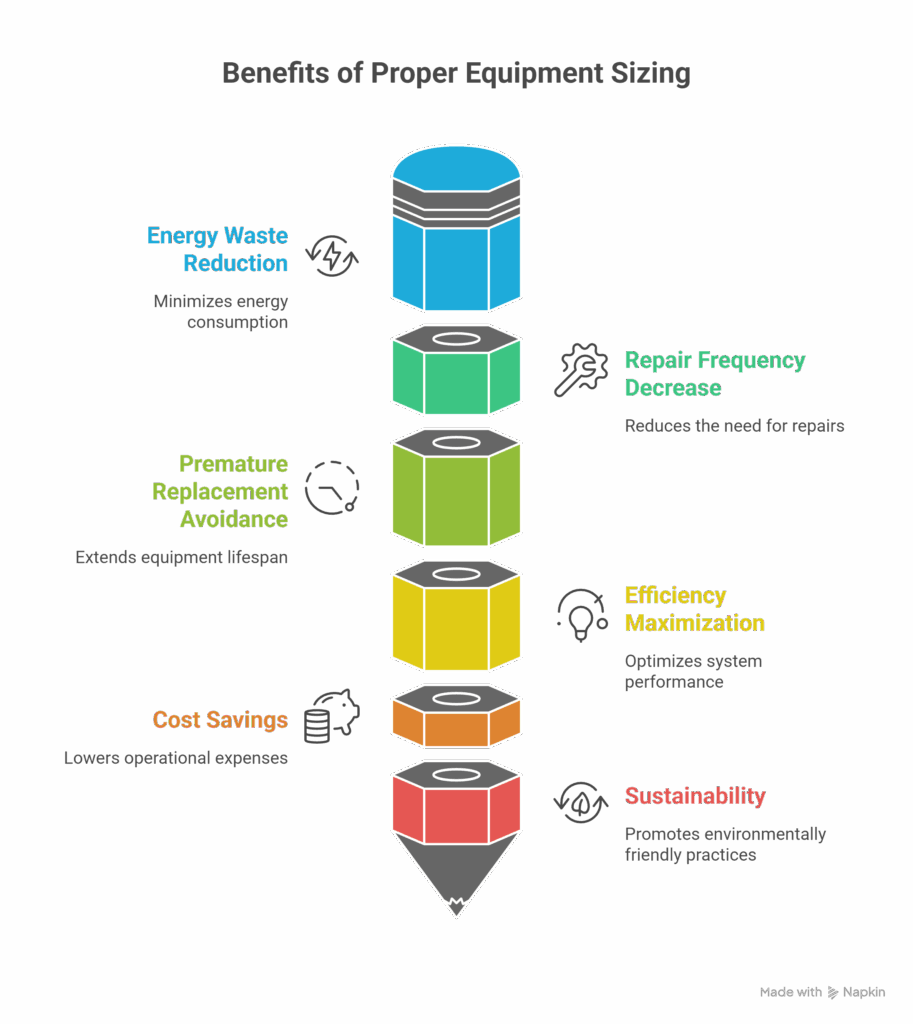
Proper sizing reduces:
- Energy waste
- Repair frequency
- Premature replacement risk
While correct sizing may slightly increase upfront design costs, it often lowers total cost of ownership over the system’s lifespan.
Eligibility for Rebates and Incentives
Efficiency-based incentive requirements
Many federal, state, and utility incentive programs require:
- Minimum SEER and HSPF ratings
- Installation according to manufacturer specifications
- Proper system sizing documentation
Improper sizing can disqualify homeowners from rebates or tax credits.
Warranty eligibility and system sizing
Most manufacturers require systems to be sized and installed according to published guidelines. Oversizing or undersizing may void parts of the warranty if linked to performance or failure issues.
Repair vs Replacement Considerations When Sizing
Replacing an older system with incorrect sizing
Many older homes have oversized heat pumps or furnaces due to outdated sizing practices. When replacing a system, matching the old size is often a mistake.
Modern heat pumps are more efficient and may require less capacity to deliver the same comfort.
When resizing during replacement makes sense
Resizing is especially important if:
- Insulation has been upgraded
- Windows have been replaced
- The home layout has changed
- Comfort issues existed with the old system
| Factor | Keep Same Size | Resize System |
| Old comfort issues | ❌ | ✅ |
| Energy upgrades made | ❌ | ✅ |
| Frequent cycling | ❌ | ✅ |
| Proper load calculation | ❌ | ✅ |
Risks and Common Heat Pump Sizing Mistakes
Relying on rules of thumb
Rules like “one ton per 500 square feet” ignore climate, insulation, and home design. These shortcuts often result in incorrect sizing.
Oversizing for “extra comfort”
Oversizing does not improve comfort. It increases cycling, noise, humidity problems, and wear on components.
Ignoring duct capacity
Installing a properly sized heat pump on undersized ducts creates airflow issues that mimic sizing problems and reduce efficiency.
Maintenance Considerations Related to Sizing
How sizing affects maintenance needs
Improperly sized systems experience:
- More frequent service calls
- Higher component stress
- Shorter lifespan
Correctly sized systems tend to operate more smoothly and require less corrective maintenance.
Importance of airflow maintenance
Even a properly sized heat pump depends on clean filters, unobstructed vents, and maintained ductwork to deliver its rated performance.
Heat Pump vs Central Air and Furnace Sizing Differences
| Feature | Heat Pump | Central Air + Furnace |
| Heating and cooling | Combined | Separate systems |
| Sizing complexity | Higher | Moderate |
| Climate sensitivity | Higher | Lower |
| Efficiency impact of sizing | Significant | Moderate |
Heat pumps require more precise sizing because they handle both heating and cooling loads year-round.
FAQ’s
What size heat pump do I need for my home?
The correct size depends on your home’s square footage, insulation, climate, windows, and air leakage. A professional Manual J load calculation is the only accurate way to determine proper heat pump size.
Can a heat pump be too big?
Yes. Oversized heat pumps short cycle, reduce efficiency, increase wear, and often provide less consistent comfort than properly sized systems.
Is it okay to match my old heat pump size?
Not always. Older systems were often oversized, and home improvements may have reduced heating and cooling demand. Replacing based on the old size alone can repeat existing comfort and efficiency problems.
How does climate affect heat pump sizing?
Colder climates require more heating capacity, while warmer climates emphasize cooling performance. Cold-climate heat pumps may be sized differently to maintain performance at lower outdoor temperatures.
Do ductless heat pumps need sizing calculations?
Yes. Each indoor unit must be sized for the specific room or zone it serves. Room size, insulation, and exposure all affect ductless system sizing.
Does proper sizing lower energy bills?
Yes. Properly sized heat pumps operate more efficiently, cycle less frequently, and use less electricity to maintain consistent comfort.
Who should size my heat pump?
A licensed HVAC professional using Manual J load calculations should size your heat pump. This ensures compliance with codes, manufacturer requirements, and rebate eligibility.
Sources & References
- U.S. Department of Energy – Heat Pump Systems
https://www.energy.gov/energysaver/heat-pump-systems - ENERGY STAR – Heat Pumps and Efficiency Ratings
https://www.energystar.gov/products/heating_cooling/heat_pumps - Air Conditioning Contractors of America – Manual J Residential Load Calculations
https://www.acca.org/standards/technical-manuals - U.S. Environmental Protection Agency – Energy Efficiency
https://www.epa.gov/energy - International Code Council – Residential Mechanical Code
https://www.iccsafe.org
Ocean Air Services provides professional heating and cooling services for residential and commercial properties.
For additional information or to request a quote, visit:
https://oceanaircool.com/contact-us/