Heat Pump vs Furnace: How They Work and Which Is Better for Your Home
A heat pump differs from a furnace because it transfers heat using electricity, while a furnace generates heat by burning fuel or using electric resistance. Heat pumps provide both heating and cooling, whereas furnaces only heat. The right choice depends on climate, energy costs, and home design.
Ocean Air Services
Homeowners comparing heating systems often ask whether a heat pump or a furnace is the better option. The answer is rarely universal. Each system works differently, has different efficiency characteristics, and performs better in certain climates and home conditions. This article explains how heat pumps and furnaces differ, compares efficiency and costs, outlines installation and replacement considerations, and helps homeowners understand which system may be more suitable for their needs.
Understanding the Core Difference Between a Heat Pump and a Furnace
How a heat pump works
A heat pump does not create heat. Instead, it moves heat from one place to another using electricity and refrigerant. In winter, it extracts heat from outdoor air (or the ground) and transfers it indoors. In summer, it reverses the process to cool the home.
Because it moves heat rather than generating it, a heat pump can deliver more energy than it consumes, making it highly efficient under the right conditions.
How a furnace works
A furnace generates heat directly. Most furnaces burn natural gas, propane, or oil, while some use electric resistance heating. The heat is transferred to air and distributed through ductwork.
Furnaces are designed solely for heating and are often paired with a separate central air conditioning system for cooling.
Heat Pump vs Furnace: System Comparison
| Feature | Heat Pump | Furnace |
| Heating method | Transfers heat | Generates heat |
| Energy source | Electricity | Gas, oil, or electricity |
| Heating and cooling | Yes | Heating only |
| Typical efficiency | Very high | High with modern models |
| Climate sensitivity | Higher | Lower |
This fundamental difference in operation affects efficiency, costs, and suitability for different climates.
Efficiency and Energy Savings
Efficiency ratings explained
Heat pump efficiency is measured using:
- HSPF (Heating Seasonal Performance Factor) for heating
- SEER (Seasonal Energy Efficiency Ratio) for cooling
Furnace efficiency is measured using:
- AFUE (Annual Fuel Utilization Efficiency)
| Efficiency Metric | Heat Pump | Furnace |
| Heating efficiency rating | HSPF | AFUE |
| Typical efficiency range | 8–11+ HSPF | 80–98% AFUE |
| Energy waste | Minimal when operating properly | Combustion losses |
According to the U.S. Department of Energy, heat pumps can reduce electricity use for heating by approximately 50% compared to electric resistance heating and are often more efficient than fossil fuel systems in moderate climates.
Climate impact on efficiency
Heat pumps are most efficient in mild to moderate climates where outdoor temperatures remain above extreme lows. Modern cold-climate heat pumps have improved performance in colder regions but may still rely on backup heat during extreme conditions.
Furnaces provide consistent heat output regardless of outdoor temperature, making them reliable in very cold climates.
Costs and Pricing Factors
Installation cost considerations
Installation costs vary widely depending on system type, home size, and existing infrastructure.
Heat pump costs are influenced by:
- System capacity and efficiency rating
- Ducted vs ductless configuration
- Electrical upgrades
Furnace costs are influenced by:
- Fuel type
- Venting or chimney requirements
- Gas line availability
While heat pumps often have higher upfront costs, they may offset those costs through energy savings and incentives.
Operating cost differences
Operating costs depend on local electricity and fuel prices. In areas with low electricity rates or high gas prices, heat pumps often cost less to operate. In regions with inexpensive natural gas, furnaces may have lower operating costs.
Installation Requirements
Heat pump installation requirements
Heat pumps require adequate electrical capacity and proper refrigerant line installation. Ducted systems must have ductwork capable of handling required airflow, while ductless systems require indoor unit placement and line routing.
Proper sizing and installation are critical to performance and efficiency.
Furnace installation requirements
Furnaces require safe fuel supply, combustion air, and venting. Gas furnaces must meet strict safety codes for exhaust and carbon monoxide management. Existing ductwork must be evaluated for compatibility.
Permits and inspections are typically required for both systems.
Repair vs Replacement Considerations
Repair considerations for heat pumps
Heat pumps have more moving parts and rely heavily on electrical components. Repairs may involve compressors, refrigerant systems, or control boards. If the system is relatively new and efficient, repair often makes sense.
Repair considerations for furnaces
Furnace repairs often involve burners, heat exchangers, or ignition systems. Cracked heat exchangers can pose safety risks and often justify replacement rather than repair.
| Factor | Repair | Replacement |
| System age | Under 10–12 years | Over 15–20 years |
| Repair frequency | Occasional | Frequent |
| Efficiency gap | Small | Large |
| Safety concerns | Minimal | Significant |

Eligibility for Rebates and Incentives
Heat pump incentives
Heat pumps often qualify for federal tax credits, state rebates, and utility incentives due to their energy efficiency and lower emissions. Programs typically require minimum efficiency ratings and proper installation documentation.
ENERGY STAR-certified heat pumps are commonly required to qualify for incentives.
Furnace incentives
High-efficiency furnaces may qualify for limited rebates depending on location and fuel type. Incentives are generally smaller compared to heat pump programs, especially where electrification is prioritized.
Risks and Common Mistakes
Choosing based on old systems
Replacing a furnace with another furnace—or a heat pump with another heat pump—without evaluating current home conditions can lead to missed efficiency and comfort improvements.
Ignoring climate suitability
Installing a heat pump without considering local climate or backup heating needs can result in performance issues during extreme weather.
Oversizing equipment
Both furnaces and heat pumps suffer when oversized. Oversizing leads to short cycling, reduced efficiency, and increased wear.
Maintenance Considerations
Heat pump maintenance needs
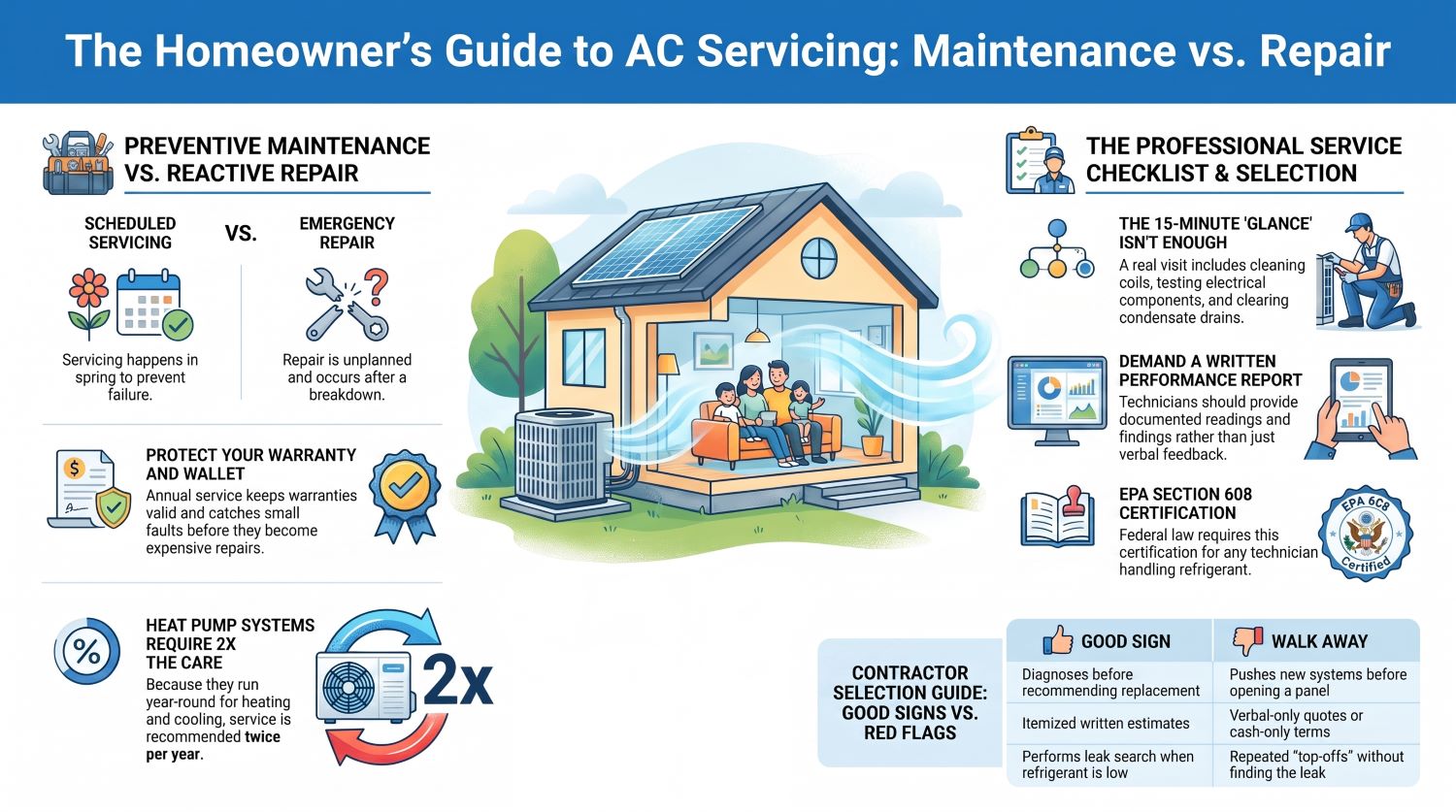
Heat pumps require year-round maintenance since they operate in both heating and cooling modes. Maintenance includes:
- Filter replacement
- Coil cleaning
- Refrigerant and electrical checks
Furnace maintenance needs
Furnaces require annual inspections focused on combustion safety, heat exchanger integrity, and airflow. Fuel-burning systems demand careful attention to prevent safety hazards.
Residential HVAC System Comparison
| Feature | Heat Pump | Furnace + Central Air |
| Number of systems | One | Two |
| Energy efficiency | Higher overall | Varies |
| Emissions | Lower | Higher for fossil fuels |
| Comfort consistency | High with proper sizing | High |
FAQ’s
Is a heat pump better than a furnace?
A heat pump is not universally better than a furnace. Heat pumps excel in efficiency and provide both heating and cooling, especially in moderate climates. Furnaces offer reliable heating in very cold regions and may have lower upfront costs.
Can a heat pump replace a furnace?
Yes, in many homes a heat pump can replace a furnace, especially when paired with adequate insulation and, if needed, backup heating. Suitability depends on climate, electrical capacity, and comfort expectations.
Do heat pumps work in cold climates?
Modern cold-climate heat pumps work in colder regions but may require supplemental heat during extreme temperatures. Performance depends on system design and outdoor conditions.
Which system costs less to run?
Operating costs depend on local electricity and fuel prices. Heat pumps are often cheaper to run where electricity is affordable and gas prices are high.
Are furnaces more reliable than heat pumps?
Both systems are reliable when properly installed and maintained. Furnaces have fewer operating modes, while heat pumps operate year-round, increasing wear but also eliminating the need for a separate cooling system.
Which system lasts longer?
Furnaces typically last 15–20 years, while heat pumps last 12–15 years. Lifespan depends on usage, climate, and maintenance quality.
Can I combine a heat pump and a furnace?
Yes. Dual-fuel systems combine a heat pump with a furnace, allowing the system to switch between electricity and fuel based on efficiency and temperature.
Sources & References
- U.S. Department of Energy – Heat Pump Systems
https://www.energy.gov/energysaver/heat-pump-systems - ENERGY STAR – Heat Pumps and Furnaces
https://www.energystar.gov/products/heating_cooling - U.S. Environmental Protection Agency – Energy Efficiency
https://www.epa.gov/energy - Air Conditioning Contractors of America – Residential HVAC Design
https://www.acca.org - International Code Council – Residential Mechanical Code
https://www.iccsafe.org
Ocean Air Services provides professional heating and cooling services for residential and commercial properties.
For additional information or to request a quote, visit:
https://oceanaircool.com/contact-us/
Disclaimer: This content is for informational purposes only and does not constitute professional advice. Always consult a licensed HVAC professional.