Why Is My Heat Pump Not Heating?
A heat pump is designed to keep your home comfortable year-round by transferring heat rather than generating it. When winter arrives and the heat pump suddenly stops heating properly—or blows cool or lukewarm air—it can be frustrating, uncomfortable, and sometimes costly if the issue goes unresolved. Understanding why your heat pump is not heating can help you troubleshoot the problem, prevent further damage, and get your home warm again.
This guide covers the most common reasons a heat pump may stop heating, the signs to look for, when DIY troubleshooting is safe, and when it’s time to call a licensed HVAC specialist. By clearly identifying the problem, homeowners can avoid unnecessary repairs and ensure their system continues operating efficiently.
How Heat Pumps Work (And Why They Sometimes Stop Heating)
Unlike furnaces that burn fuel, heat pumps move heat from one place to another. In heating mode, they extract heat energy from the outdoor air and transfer it inside. Even in cold temperatures, heat energy still exists outside—but when conditions change or system components fail, the heat pump may not absorb or distribute heat properly.
When something interferes with this transfer of heat, your system may blow cold or lukewarm air, struggle to reach set temperatures, or run constantly without warming your home.
Signs Your Heat Pump Isn’t Heating Properly
Look for:
- Air coming from vents feels cool or barely warm
- The heat pump runs continuously but the thermostat temperature doesn’t change
- Outdoor unit appears frozen or iced over
- Loud or unusual noises during operation
- Energy bills suddenly increase
- Thermostat frequently switches to “Emergency Heat” mode
If you notice one or more of these signs, your heat pump may need maintenance or repair.
Common Reasons Your Heat Pump Is Not Heating (With Fixes)
1. Incorrect Thermostat Settings
Sometimes the problem is simple—your system may not actually be set to heat.
What to check:
- Ensure thermostat mode is set to Heat
- Confirm the temperature is set higher than the current indoor temperature
- Make sure the fan setting is on Auto, not On (fan-only mode blows unheated air)
If your thermostat uses Wi-Fi or smart settings, also check:
- Schedule programming
- Eco or Away modes
- Power or internet resets
2. Dirty or Clogged Air Filters
One of the most common problems. When filters are dirty, airflow becomes restricted, making it difficult for the heat pump to distribute heat efficiently.
| Clogged Air Filters Cause: | Result: |
| Reduced airflow | Rooms feel cold |
| Higher strain on system | Higher energy bills |
| Evaporator coil freeze-ups | System shutdown or failure |
Fix: Replace air filters every 30–90 days, depending on home conditions.
3. Outdoor Unit Is Blocked or Covered
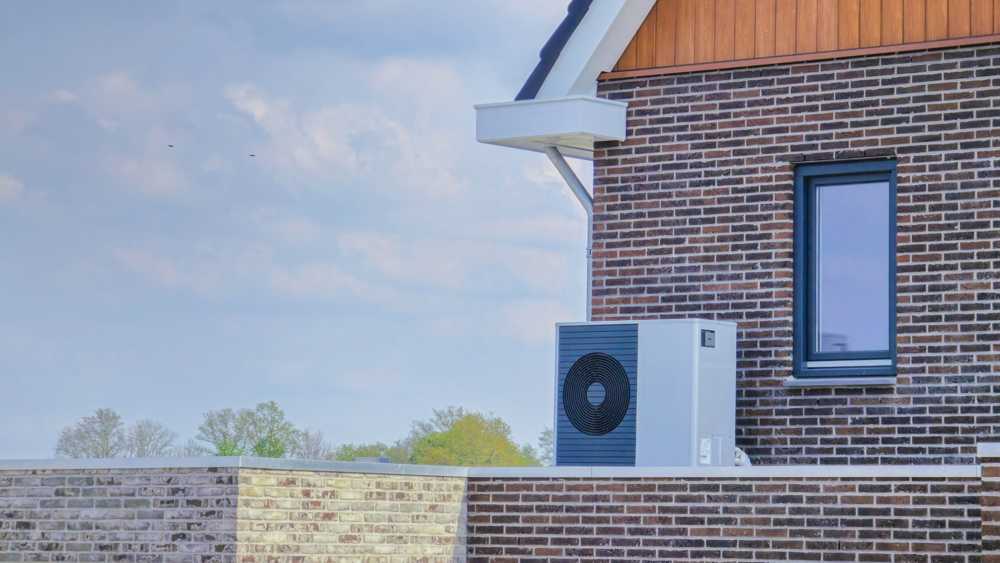
Heat pumps need unobstructed airflow around the outdoor unit to absorb heat energy. Snow, leaves, ice, fencing, or debris can prevent this.
What to look for:
- Snow piled around the unit
- Ice forming on the outdoor coil
- Leaves or vegetation blocking air circulation
Fix:
- Clear 2–3 feet of space around the unit
- Remove debris from the top and sides
- Never chip ice manually—use defrost mode or call a professional if ice does not melt
4. Refrigerant Levels Are Low
Heat pumps require proper refrigerant levels to move heat effectively. Low refrigerant often means there is a leak—and leaks should always be repaired by a licensed HVAC technician.
Signs of low refrigerant:
- Ice on outdoor lines or coils
- Hissing or bubbling noises from the refrigerant lines
- Weak heating output
- Heat pump runs longer than normal
If refrigerant levels are low, do not attempt to refill yourself—this requires EPA certification.
5. Heat Pump Is Not Defrosting Properly
During winter, frost naturally builds up on outdoor coils. Your heat pump should automatically enter a defrost cycle to remove this frost.
If the defrost system fails, the unit cannot effectively absorb heat.
Possible causes:
- Faulty defrost control board
- Bad reversing valve
- Temperature or coil sensors malfunctioning
A frozen outdoor unit is a strong indicator of defrost issues and requires professional service.
6. Broken or Malfunctioning Reversing Valve
The reversing valve switches the system between heating and cooling modes. If it gets stuck, the system may become locked in cooling mode—resulting in cold air blowing when you want heat.
Symptoms:
- Heat mode does not work, but cooling mode does
- Air temperature remains unchanged when changing thermostat mode
This repair requires HVAC technician diagnosis and replacement.
7. Ductwork Problems
If your heat pump seems to run fine but your home is still cold, the issue may not be the heat pump at all—it could be the ductwork.
Common duct issues:
- Leaks pulling in cold attic or crawlspace air
- Disconnected ducts
- Poor insulation
- Blocked or crushed airways
Duct inspections can significantly improve heating performance and energy efficiency.
8. Outdoor Temperatures Are Extremely Low
Heat pumps work efficiently in moderate climates, but when outdoor temperatures drop below 25°F, the heat pump may struggle to pull enough heat from the air.
In these cases, your system may rely on:
- Auxiliary Heat
- Electric Heat Strips
- Backup Furnace
If backup heat is malfunctioning, you may feel cold air—even though the heat pump is operating normally.
DIY Troubleshooting Checklist
It’s safe to attempt the following:
| Step | What To Do | Result |
| 1 | Check thermostat mode & settings | Ensures system is calling for heat |
| 2 | Replace dirty air filters | Restores airflow and heating efficiency |
| 3 | Clear snow/debris from outdoor unit | Improves heat absorption |
| 4 | Confirm breakers are not tripped | Ensures system has full electrical power |
| 5 | Open all vents in the home | Ensures proper air distribution |
If the heat pump still does not heat after these steps, professional diagnosis is recommended.
When to Call an HVAC Professional
Call a licensed heating specialist if you notice:
- Ice covering the outdoor unit that does not melt automatically
- Burning, electrical, or metallic odors
- Unusual grinding, buzzing, or hissing noises
- Heat pump runs constantly but cannot heat
- A sudden spike in energy bills
- Weak or no airflow
These signs indicate mechanical, electrical, or refrigerant issues that should not be repaired DIY.
How Preventive Maintenance Helps
Seasonal heat pump maintenance can significantly reduce failure risks and improve heating reliability.
Benefits of maintenance:
- Lower monthly energy bills
- Fewer emergency breakdowns
- Longer equipment lifespan
- Improved indoor comfort
Most HVAC specialists recommend twice-a-year service: once before cooling season and once before heating season.
FAQ’s
Why is my heat pump blowing cold air in heat mode?
Heat pumps sometimes blow air that feels cool because the air they produce isn’t as hot as a furnace. However, if the air is truly cold, the issue may be incorrect thermostat settings, low refrigerant levels, dirty air filters, or the system stuck in cooling mode due to a reversing valve issue. Ice buildup on the outdoor unit can also prevent proper heat transfer. Start by checking filters and thermostat settings, but if the issue continues, schedule a professional inspection to diagnose the underlying problem.
Can a heat pump work in freezing weather?
Yes. Heat pumps are designed to work in cold temperatures, but their efficiency decreases as outdoor temperatures drop, especially below 25°F. When this happens, most systems switch to auxiliary or emergency heat to help maintain comfort. If the backup heat source isn’t functioning correctly, the home may feel cold even if the heat pump is running. Regular maintenance ensures both the primary and backup heating elements perform as expected. If your heat pump struggles in cold weather, contact a licensed HVAC technician.
How often should heat pump filters be changed?
Air filters should be replaced every 30–90 days, depending on household conditions. Homes with pets, larger households, or individuals with allergies may require more frequent filter changes. Clean filters allow proper airflow, improve heating efficiency, reduce wear on system components, and prevent coil freeze-ups. If airflow feels weak or dust collects quickly in the home, the filter may need to be replaced sooner. If replacing the filter doesn’t resolve airflow issues, contact a professional to inspect the system.
Why does my heat pump run constantly?
Heat pumps naturally run longer than gas furnaces, especially in colder months. However, if the system runs continuously and still cannot reach the thermostat temperature, it may indicate dirty filters, blocked outdoor airflow, low refrigerant, or failing components like the reversing valve or compressor. Another possibility is that the heat pump is undersized for the home. A licensed technician can determine whether the system needs repair, cleaning, or adjustments to restore efficiency and proper heating performance.
When should I call a professional for heat pump issues?
If the heat pump is blowing cold air, making unusual noises, freezing over, producing burning smells, or failing to maintain the thermostat temperature, it is important to call a licensed HVAC professional. DIY troubleshooting can address simple issues like thermostat settings and dirty filters, but mechanical and refrigerant-related problems require certified repair. Prompt maintenance prevents further damage, reduces energy waste, and restores comfort. Contact a professional anytime the system’s performance noticeably changes or comfort is compromised.
Important Heating Insights to Keep in Mind
- Heat pumps stop heating for several common reasons such as thermostat issues, dirty filters, blocked outdoor units, low refrigerant, and defrost failures.
- Simple maintenance like replacing filters and clearing outdoor debris can often restore heating performance.
- Mechanical issues—especially refrigerant leaks, reversing valve failure, or non-defrosting coils—require professional repair.
- Regular HVAC maintenance keeps your heat pump efficient, reliable, and long-lasting.
- When in doubt, professional diagnostics can prevent costly damage and restore comfort quickly.
Need Heat Pump Repair or Maintenance?
Ocean Air Plumbing & HVAC provides professional heat pump diagnostics, repair, and maintenance to keep your system running efficiently all winter long.