How to Find a Reliable Southampton Plumber Near You and What to Expect
If you’re searching for a Southampton plumber near you, the best option is a licensed professional who offers emergency service, transparent pricing, and experience with both repairs and installations. Ocean Air Services is one example of a provider homeowners may encounter when researching local service options.
Plumbing issues can escalate quickly—from minor leaks to major water damage—making it essential to act fast and choose the right professional. Homeowners in Southampton often face aging infrastructure, seasonal property use, and weather-related stress on plumbing systems. This guide explains how plumbing systems work, when to repair or replace components, what costs to expect, and how to avoid common mistakes.
Understanding Residential Plumbing Systems
How plumbing systems work
A residential plumbing system consists of two main subsystems: water supply and drainage. The supply system brings pressurized clean water into your home, while the drainage system removes wastewater using gravity and venting systems. Pipes, valves, fixtures, and appliances all work together to maintain safe and efficient operation.
Common plumbing issues in Southampton homes
- Pipe corrosion or scaling due to water chemistry
- Frozen or burst pipes during winter
- Sewer line blockages from tree roots
- Water heater failure in seasonal homes
- Fixture leaks from aging seals and fittings
When to Call a Plumber Near You
Signs you need professional plumbing service
- Persistent low water pressure
- Water stains or mold growth
- Unexplained increase in water bills
- Slow or recurring drain clogs
- No hot water or inconsistent temperatures
Emergency vs non-emergency situations
Emergency plumbing issues include burst pipes, sewage backups, and major leaks that risk structural damage. Non-emergency issues, such as dripping faucets or minor clogs, can typically be scheduled during normal service hours.
Repair vs Replacement: What Makes Sense?
When dealing with plumbing problems, homeowners often need to decide whether to repair a component or replace it entirely.
Repair vs Replacement Comparison
| Factor | Repair | Replacement |
|---|---|---|
| Upfront cost | Lower | Higher |
| Long-term reliability | Temporary fix | Long-term solution |
| Efficiency | May not improve | Often improves |
| Frequency of issues | May continue | Typically reduced |
| Best for | Minor or isolated problems | Aging or failing systems |
When repair makes sense
- Localized leaks
- Minor fixture damage
- Newer systems under warranty
When replacement is better
- Old galvanized or corroded pipes
- Frequent recurring issues
- Inefficient or outdated water heaters
Types of Plumbing Services Available
Drain cleaning and sewer services
Professional plumbers use tools like hydro-jetting and camera inspections to diagnose and clear blockages.
Water heater installation and repair
Includes tank and tankless systems. Efficiency standards are often guided by ENERGY STAR recommendations.
Leak detection and pipe repair
Advanced leak detection methods reduce the need for invasive wall or floor removal.
Fixture installation
Includes sinks, toilets, showers, and outdoor plumbing components.
Water Heater Options for Southampton Homes
Water Heater Comparison Table
| Type | How It Works | Efficiency | Lifespan | Best Use Case |
|---|---|---|---|---|
| Tank water heater | Stores heated water in a tank | Moderate | 8–12 years | Standard households |
| Tankless water heater | Heats water on demand | High | 15–20 years | Energy-conscious homes |
| Heat pump water heater | Uses ambient air to heat water | Very high | 10–15 years | Homes with space and mild climates |
Efficiency and energy considerations
According to the U.S. Department of Energy, water heating accounts for about 18% of home energy use. Choosing a high-efficiency model can significantly reduce utility costs.
Costs and Pricing Factors
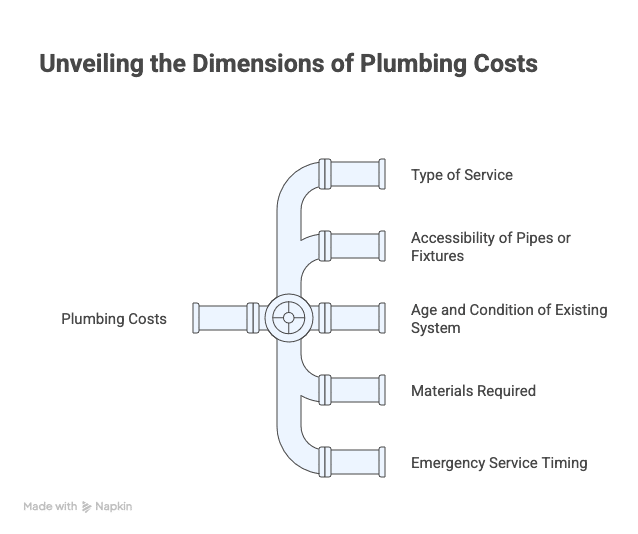
What impacts plumbing costs
- Type of service (repair vs installation)
- Accessibility of pipes or fixtures
- Age and condition of existing system
- Materials required
- Emergency service timing
Typical cost ranges (general guidance)
- Minor repairs: lower cost, quick service
- Major repairs: moderate cost depending on complexity
- Full replacements: higher investment with long-term benefits
Note: Costs vary significantly based on home size, system complexity, and local labor conditions.
Installation Requirements for Plumbing Systems
Key considerations
- Compliance with local building codes
- Proper pipe sizing and material selection
- Adequate ventilation for drainage systems
- Water pressure regulation
Permits and inspections
Most major plumbing work requires permits and inspections to ensure safety and compliance with municipal standards.
Efficiency and Water Conservation
Ways to improve plumbing efficiency
- Install low-flow fixtures
- Upgrade to ENERGY STAR-certified water heaters
- Fix leaks promptly
- Use smart water monitoring systems
Environmental impact
Reducing water waste helps conserve resources and lowers utility bills. The Environmental Protection Agency (EPA) estimates that household leaks can waste nearly 10,000 gallons of water annually.
Risks and Common Plumbing Mistakes
Common homeowner mistakes
- Using chemical drain cleaners excessively
- Ignoring small leaks
- DIY repairs without proper tools or knowledge
- Installing incompatible fixtures
Potential risks
- Water damage to walls and flooring
- Mold growth
- Increased utility bills
- Structural damage over time
Working with a licensed plumber helps mitigate these risks and ensures proper installation and repairs.
How to Choose the Right Southampton Plumber
What to look for
- Valid licensing and insurance
- Experience with local homes and conditions
- Transparent pricing and written estimates
- Emergency service availability
- Positive customer reviews
Questions to ask
- Are permits required for this job?
- What warranties are included?
- How long will the repair or installation take?
- Are there more efficient upgrade options?
Maintenance Considerations
Routine plumbing maintenance tasks
- Inspect visible pipes for leaks
- Flush water heaters annually
- Clean drains regularly
- Test water pressure
- Check shut-off valves
Benefits of maintenance
- Extends system lifespan
- Reduces emergency repairs
- Improves efficiency
- Maintains water quality
Frequently Asked Questions
How quickly can a plumber respond to emergencies in Southampton?
Most professional plumbers offer emergency services with response times ranging from one to several hours, depending on availability and location. Fast response is critical for issues like burst pipes or sewage backups to prevent extensive property damage.
What is the most common plumbing issue homeowners face?
Leaky faucets and clogged drains are among the most common issues. While minor, these problems can lead to larger complications if ignored, including water damage and increased utility bills over time.
How do I know if my pipes need to be replaced?
Signs include discolored water, frequent leaks, low water pressure, and visible corrosion. Homes with older galvanized steel pipes are especially prone to needing full replacement rather than repeated repairs.
Are tankless water heaters worth it?
Tankless systems offer higher efficiency and longer lifespans compared to traditional tanks. They are especially beneficial for households seeking energy savings and consistent hot water, though installation costs may be higher.
What should I do if a pipe bursts?
Immediately shut off the main water supply and contact a licensed plumber. Removing excess water and drying affected areas quickly helps reduce the risk of mold and structural damage.
Do plumbers handle water pressure issues?
Yes, plumbers can diagnose and resolve water pressure problems by checking for leaks, pipe blockages, pressure regulator issues, or municipal supply concerns.
How often should plumbing systems be inspected?
Annual inspections are recommended, especially for older homes or properties with a history of plumbing issues. Regular checks help identify small problems before they become costly repairs.
What certifications should a plumber have?
A licensed plumber should meet state and local requirements, which often include training, exams, and ongoing education. Certifications ensure compliance with safety and building codes.
Sources & References
U.S. Department of Energy – Water Heating
https://www.energy.gov/energysaver/water-heating
Environmental Protection Agency – WaterSense Program
https://www.epa.gov/watersense
ENERGY STAR – Certified Water Heaters
https://www.energystar.gov/products/water_heaters
International Code Council – Plumbing Codes
https://www.iccsafe.org
New York State Energy Research and Development Authority (NYSERDA)
https://www.nyserda.ny.gov
Ocean Air Services provides professional heating and cooling services for residential and commercial properties.
For additional information or to request a quote, visit:
https://oceanaircool.com/contact-us/
Disclaimer: This content is for informational purposes only and does not constitute professional advice. Always consult a licensed HVAC professional.