How Much Do Commercial HVAC Services in Riverhead Cost?
Commercial HVAC services in Riverhead include installation, repair, replacement, and system upgrades for heating and cooling equipment in business properties. Costs depend on system size, complexity, energy efficiency ratings, and labor requirements. Ocean Air Services provides professional commercial HVAC solutions for properties throughout Riverhead and surrounding areas.
Commercial buildings rely on HVAC systems to maintain occupant comfort, protect inventory, meet ventilation codes, and manage operational costs. When systems underperform or fail, businesses can face downtime, compliance issues, and rising utility expenses. Understanding commercial HVAC services in Riverhead helps property owners and facility managers make informed decisions about maintenance, upgrades, and long-term equipment planning.
This guide explains how commercial HVAC systems work, what services are typically required, cost and pricing factors, installation considerations, repair versus replacement decisions, and energy efficiency comparisons relevant to Riverhead businesses.
Commercial HVAC Services Riverhead
Commercial HVAC services encompass a range of professional solutions designed to maintain and optimize heating, ventilation, and air conditioning systems in business properties.
How Commercial HVAC Systems Work
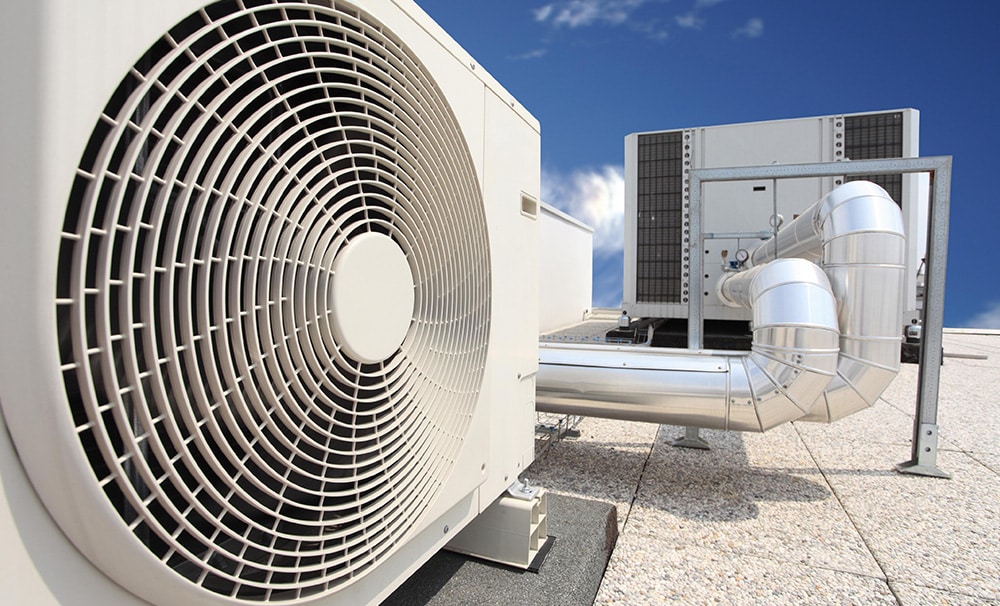
Most Riverhead commercial properties use:
- Rooftop packaged units (RTUs)
- Split systems
- Variable refrigerant flow (VRF) systems
- Boilers or furnaces
- Chillers for larger buildings
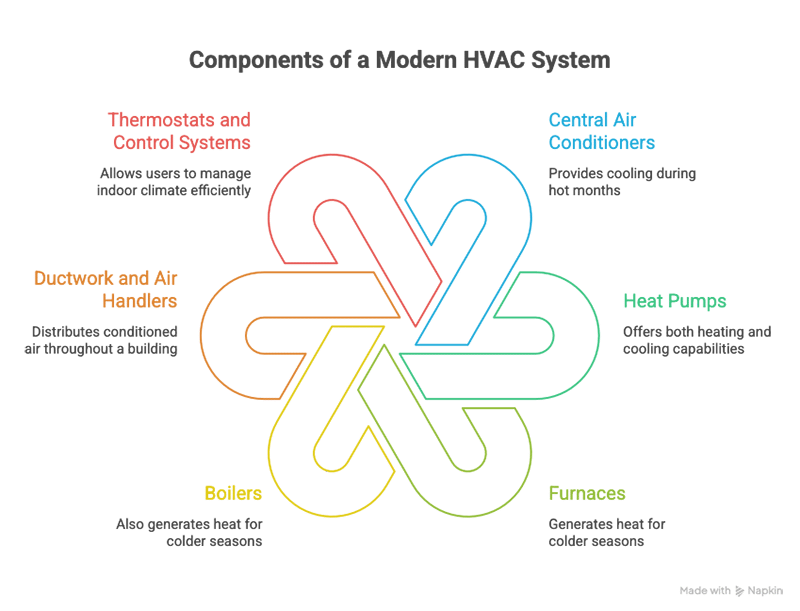
These systems regulate:
- Indoor temperature
- Humidity levels
- Ventilation rates
- Air filtration
Performance standards and efficiency benchmarks are often guided by research and recommendations from the U.S. Department of Energy and the Environmental Protection Agency.
Core Commercial HVAC Services
- New system installation
- Equipment replacement
- Emergency repair
- Preventative maintenance
- Energy efficiency upgrades
- Thermostat and control integration
- Ductwork inspection and sealing
Each service type addresses different operational needs.
Installation Requirements for Commercial HVAC Systems
Commercial HVAC installation in Riverhead involves structural, electrical, and mechanical planning.
Structural Considerations
- Roof load capacity for RTUs
- Equipment pad placement
- Mechanical room space
- Access for cranes or lifts
Electrical and Fuel Supply
- Panel capacity upgrades
- Dedicated circuits
- Gas line sizing
- Backup power considerations
Installation must comply with building and energy codes, including guidelines influenced by federal agencies and recognized energy efficiency programs.
Proper sizing calculations are critical to avoid short cycling or underperformance.
What Impacts the Cost of Commercial HVAC Services in Riverhead?
Commercial HVAC service costs vary widely depending on scope.
Primary Cost & Pricing Factors
- Building square footage
- System tonnage and configuration
- Equipment efficiency rating
- Accessibility (rooftop vs ground level)
- Ductwork modifications
- Control system complexity
- Permit and inspection requirements
Repair vs Replacement Cost Factors
| Factor | Repair Scenario | Replacement Scenario |
|---|---|---|
| Equipment Age | Under 12–15 years | 15–20+ years |
| Efficiency Level | Meets modern standards | Outdated rating |
| Breakdown Frequency | Occasional | Frequent |
| Energy Costs | Stable | Increasing |
| Long-Term Value | Short-term savings | Long-term operational savings |
If repair costs approach a significant percentage of replacement value, replacement may offer better lifecycle economics.
Heat Pump vs Central Air: Commercial Comparison
Many Riverhead businesses evaluate whether heat pumps or traditional central air systems are better suited to their needs.
| Feature | Heat Pump | Central Air Conditioner |
|---|---|---|
| Cooling | Yes | Yes |
| Heating | Yes (reversible) | No (requires furnace/boiler) |
| Efficiency Metric | SEER / HSPF | SEER |
| Climate Suitability | Moderate climates | Paired with separate heat source |
| Installation Complexity | Moderate | Moderate |
Heat pumps can reduce reliance on fossil fuels when paired with electric heating capabilities.
Efficiency ratings are aligned with standards recognized by ENERGY STAR.
Furnace vs Boiler in Commercial Applications
Heating systems differ based on building design and occupant needs.
| Feature | Furnace | Boiler |
|---|---|---|
| Heat Distribution | Forced air | Radiant or hydronic |
| Efficiency Rating | AFUE | AFUE |
| Maintenance Needs | Blower motors, burners | Pumps, valves, pressure controls |
| Installation Space | Compact | Requires piping infrastructure |
| Ideal For | Office and retail spaces | Multi-zone or radiant heating |
Both systems must meet combustion and ventilation standards influenced by federal energy guidance.
Repair vs Replace: When Is Replacement the Smarter Choice?
Commercial property owners frequently evaluate whether to repair or replace aging systems.
Signs Replacement May Be Advisable
- Obsolete refrigerant type
- Major compressor failure
- Frequent emergency repairs
- Rising energy bills
- Uneven temperature control
According to efficiency research supported by the U.S. Department of Energy, modern high-efficiency systems can significantly reduce building energy consumption.
Replacement decisions should consider:
- Lifecycle cost
- Downtime risk
- Energy savings
- Tenant satisfaction
Efficiency and Energy Savings Considerations
Energy performance is a major concern for commercial properties due to operating hours and square footage.
Efficiency Metrics Overview
| System Type | Cooling Metric | Heating Metric | What It Measures |
|---|---|---|---|
| Central AC | SEER / EER | N/A | Cooling output per energy input |
| Heat Pump | SEER | HSPF | Heating seasonal efficiency |
| Furnace | N/A | AFUE | Fuel-to-heat conversion rate |
| Boiler | N/A | AFUE | Combustion efficiency |
Maintaining rated efficiency requires regular inspection and coil cleaning.
Guidance from the Environmental Protection Agency emphasizes proper ventilation and indoor air quality management in commercial buildings.
Risks and Common Mistakes in Commercial HVAC Projects
Improper planning or delayed service can create operational risks.
Common Mistakes
- Incorrect system sizing
- Ignoring duct leakage
- Skipping preventative maintenance
- Delaying minor repairs
- Overlooking control system calibration
Potential Risks
- Increased energy bills
- Tenant discomfort
- Equipment strain
- Premature system failure
- Code compliance issues
Professional load calculations and routine inspections mitigate these risks.
Maintenance Considerations for Commercial HVAC Systems
Even when focusing on installation or repair, maintenance remains central to system longevity.
Preventative Maintenance Typically Includes
- Coil cleaning
- Filter replacement
- Refrigerant level checks
- Electrical inspection
- Belt and motor adjustment
- Thermostat calibration
Maintenance protects equipment investment and reduces unexpected failures.
Commercial buildings operating year-round benefit from biannual or quarterly service schedules.
Indoor Air Quality and Ventilation Services
Ventilation plays a critical role in commercial HVAC services.
Services may include:
- Outdoor air damper adjustment
- Filter upgrades
- Duct sealing
- Humidity control calibration
Federal recommendations from agencies such as the Environmental Protection Agency highlight the importance of maintaining healthy indoor environments in business settings.
Seasonal Considerations in Riverhead
Riverhead’s climate presents:
- Cold winters
- Humid summers
- Coastal moisture exposure
Seasonal HVAC services typically involve:
Spring:
- Cooling system inspection
- Refrigerant testing
- Condenser cleaning
Fall:
- Heating system inspection
- Burner and ignition checks
- Safety control testing
Proactive seasonal preparation reduces emergency service calls during peak demand.
FAQ’s
What are commercial HVAC services in Riverhead?
Commercial HVAC services include installation, repair, replacement, maintenance, and energy upgrades for heating and cooling systems in business properties. Services are tailored to building size, occupancy type, and operational demands.
How long do commercial HVAC systems last?
Most commercial systems last 15–20 years with proper maintenance. Boilers and chillers may last longer, while rooftop units often require replacement sooner due to weather exposure.
Is it better to repair or replace an aging commercial HVAC unit?
If the unit is nearing 20 years old, requires frequent repairs, or operates inefficiently, replacement may provide better long-term value. A lifecycle cost analysis can guide the decision.
What affects the cost of commercial HVAC installation?
Costs depend on system size, efficiency rating, building layout, structural requirements, electrical upgrades, and ductwork modifications.
Do high-efficiency systems reduce operating costs?
Yes. Higher SEER, HSPF, or AFUE ratings indicate better energy conversion efficiency, which typically lowers utility expenses over time.
How often should commercial HVAC systems be serviced?
Most properties require at least two service visits per year. High-demand facilities may benefit from quarterly inspections to maintain optimal performance.
Can commercial HVAC services improve indoor air quality?
Yes. Services that address ventilation, filtration, and humidity control can significantly improve indoor air quality in commercial buildings.
Are rooftop units harder to service?
Rooftop units require safe access procedures, but they are designed for commercial maintenance and can be efficiently serviced by trained technicians.
Ocean Air Services provides professional heating and cooling services for residential and commercial properties.
For additional information or to request a quote, click here
Disclaimer: This content is for informational purposes only and does not constitute professional advice. Always consult a licensed HVAC professional.