Connecting Sewer Pipes in Suffolk County
Connecting your property to the public sewer system in Suffolk County is a smart, long-term investment in property value, sanitation, and environmental protection. Whether you’re upgrading from a septic tank, building new, or managing a commercial project, understanding the sewer connection process helps you stay compliant, control costs, and move efficiently.
Ocean Air provides end-to-end sewer connection services across Suffolk County—from permitting and trenching to tap-in, inspections, and site restoration.
Pricing Disclaimer: Any costs or price ranges in this article are for information purposes only.
For a precise, written quote based on your property, contact Ocean Air:
https://oceanaircool.com/contact-us/
Why Sewer Pipe Connections Matter in Suffolk County
- ✅ Better sanitation & health: Protects groundwater and drinking water.
- 🏡 Higher property value: Sewer-connected homes often command stronger resale prices.
- 🌊 Environmental protection: Helps reduce nitrogen pollution in local bays and waterways.
- 🧾 Regulatory compliance: Many areas require connection when sewer service becomes available.
- 🔧 Lower maintenance burden: Eliminates routine septic pumping and major tank repairs.
Understanding Sewer Pipe Connections
A sewer connection links your property’s private lateral pipe to the public sewer main beneath the street or within an easement.
Core components:
- Building sewer (private lateral): Runs from the structure to the property line.
- Public sewer main: Transports wastewater to a municipal treatment facility.
- Cleanout: Provides access for inspections and clearing blockages.
- Tap connection: The joint where the private line meets the public main.
- Backflow prevention device: Protects your building from potential backups.
When a Sewer Connection Is Required
- 🏗️ New residential or commercial construction
- 🏚️ Replacement of a failing or aging septic system
- 🏡 Inclusion in a newly sewered district
- 📝 County/town mandates for environmental compliance
- 🌿 Properties near waterways or in nitrogen-sensitive zones
Many homeowners receive notice when service becomes available and must connect within a set timeframe.
Permits and Regulations (What to Expect)
- Permit(s) from the Suffolk County Department of Public Works and/or your township
- Licensed plumbing/sewer contractor is required
- Engineering/site plans for commercial or complex sites
- County/town inspections at specified milestones
- Proper septic system abandonment if converting from septic
🚫 Skipping permits or inspections can lead to fines, delays, or required rework.
Step-by-Step: The Sewer Pipe Connection Process
| Step | Action | Responsible Party | Typical Timeline |
| 1 | Property assessment & utility mark-outs | Homeowner / Engineer | 1–2 weeks |
| 2 | Permit applications & approvals | Contractor / Homeowner | 2–4 weeks |
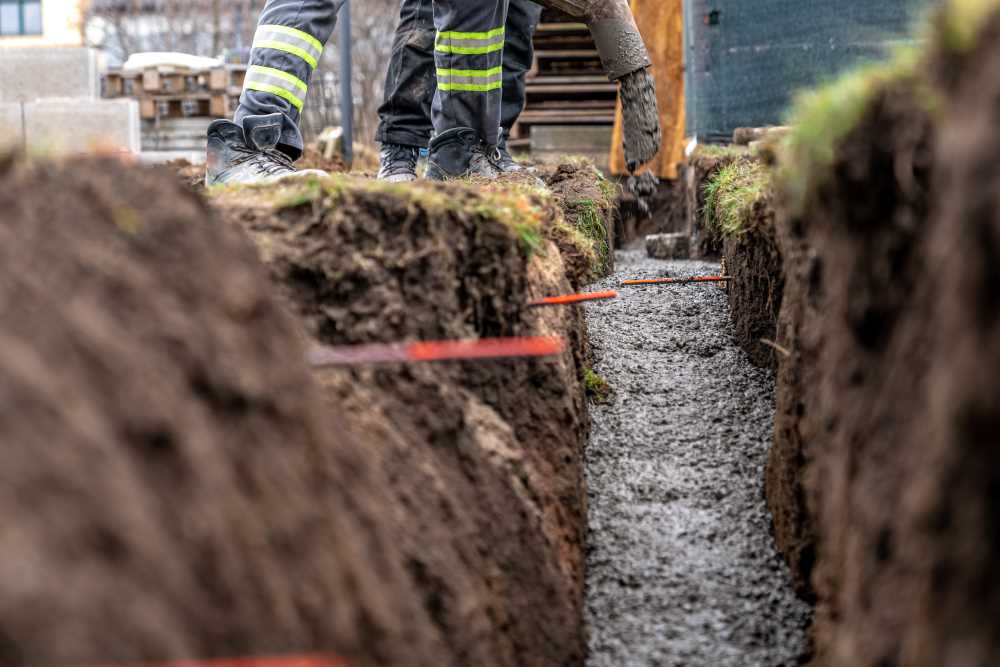
| 3 | Excavation & trenching | Licensed Contractor | 1–3 days |
| 4 | Private lateral installation | Contractor | 1–2 days |
| 5 | Tap-in to public main | Contractor + County Inspector | 1 day |
| 6 | Septic system abandonment (if needed) | Contractor | 1–2 days |
| 7 | Final inspection & site restoration | Inspector + Contractor | 1–2 days |
⏳ Average total timeline: 3–6 weeks (permitting, weather, and scheduling may extend duration).
Cost of Connecting Sewer Pipes (Informational Only)
| Cost Component | Typical Range | Notes |
| Permit & Tap Fees | $300 – $1,500 | Varies by township/district |
| Lateral Installation | $3,000 – $10,000 | Distance to main, depth, obstacles |
| Septic Abandonment | $1,000 – $3,000 | Pumping, fill, and verification |
| Engineering & Design | $500 – $3,000 | Common for commercial/complex sites |
| Total Estimate | $5,000 – $15,000+ | Large/complex properties can exceed $25,000 |
These ranges are estimates only. For a site-specific proposal, contact Ocean Air:
https://oceanaircool.com/contact-us/
Sewer Connection vs. Septic System (At a Glance)
| Feature | Sewer Connection | Septic System |
| Maintenance | Low (municipal) | Regular pumping & inspections |
| Environmental Impact | Lower (central treatment) | Higher nitrogen risk |
| Long-Term Costs | Lower upkeep | Potential tank/leach field repairs |
| Property Value | Often increases | May decrease as system ages |
| Expansion Potential | Easier for additions | Limited by tank/setbacks |
Technical Best Practices (No Materials Mentioned)
- Maintain slope: Target ~¼ inch per foot downward slope toward the main.
- Install cleanouts: Enable future maintenance and camera inspections.
- Watertight connections: Prevent groundwater infiltration and leaks.
- Backfill correctly: Compact evenly to prevent settling and line damage.
- Backflow protection: Guard against municipal surges and backups.
- Call before you dig: Always request utility mark-outs prior to excavation.
Common Challenges & Proven Solutions
| Challenge | Typical Cause | Practical Solution |
| Deep or hard-to-reach mains | Older infrastructure/terrain constraints | Trained crews using specialty excavation or trenchless methods |
| Root intrusion in old lines | Legacy private laterals or nearby trees | Replace compromised sections; add root barriers where appropriate |
| Permitting delays | Incomplete/inaccurate documentation | Work with an experienced contractor to submit complete packages |
| Weather interruptions | Heavy rain or freezes | Phase work and schedule strategically |
| Long setbacks to the main | Greater distance/elevation changes | Explore financing and available county/state grant options |
Incentives & Funding Options
- Suffolk County “Reclaim Our Water” — Grants and low-interest loans for qualifying projects
- New York State DEC — Programs that support nitrogen reduction and water quality
- Local township rebates — Occasional incentives for early sewer connections
- Federal tax incentives — May apply to certain environmentally beneficial upgrades
How to Choose the Right Sewer Contractor
Look for (all provided by Ocean Air):
- ✅ Proper licensing and insurance
- ✅ Documented Suffolk County experience
- ✅ Mastery of local permits, inspections, and code requirements
- ✅ Excellent references and reviews
- ✅ Clear, itemized, written quotes
- ✅ Full-scope delivery (excavation, connection, septic abandonment, restoration)
📞 Partnering with Ocean Air helps you avoid delays, prevent rework, and keep the project on budget.
Environmental Benefits of Connecting to Sewer
- 🌿 Less nitrogen entering groundwater
- 🌊 Protection for Peconic Bay, Great South Bay, and local ecosystems
- 🚰 Safeguards drinking water supplies
- ♻️ Reduces overflow risk from aging on-site systems
Homeowner Checklist (Before You Start)
- Confirm sewer availability at your address.
- Hire a licensed contractor (Ocean Air).
- Obtain required county/town permits.
- Request utility mark-outs (“call before you dig”).
- Budget for excavation, connection, and restoration.
- Plan septic abandonment if converting.
- Prepare landscaping/driveways for restoration after trenching.
FAQs
Do I need a permit?
Yes—typically from the Suffolk County Department of Public Works and your township.
How long does the connection take?
Most projects run 3–6 weeks, including permitting and inspections.
Can I DIY the connection?
No. Only licensed contractors can legally perform a sewer tap-in.
What happens to my old septic tank?
It must be pumped, filled with approved material, and decommissioned per county rules.
Are grants available?
Yes—county and state programs can offset a portion of project costs.
Final Takeaway
Connecting to the public sewer in Suffolk County is more than a construction task—it’s a strategic upgrade that boosts property value, supports public health, and protects local waterways. With Ocean Air managing permits, installation, and inspections, you’ll get a smooth, code-compliant connection and a clean jobsite.
👉 Get a real, property-specific quote from Ocean Air:
https://oceanaircool.com/contact-us/
💰 Bonus: Ocean Air Services will also help you secure PSEG Long Island rebates to maximize savings where applicable.