How Much Does Commercial HVAC Repair in Riverhead Cost?
Commercial HVAC repair in Riverhead typically ranges from minor service corrections to major component replacements, depending on system type, building size, and part availability. Costs are driven by labor complexity, equipment age, and diagnostic requirements. Ocean Air Services provides professional commercial HVAC support in the region.
Commercial buildings in Riverhead rely on heating, ventilation, and air conditioning systems to maintain occupant comfort, protect inventory, and comply with ventilation codes. When systems fail or underperform, business operations can be disrupted quickly. Whether you operate retail space, offices, medical facilities, or hospitality properties, understanding commercial HVAC repair in Riverhead helps you make informed maintenance and replacement decisions.
This guide explains how commercial HVAC systems work, common repair needs, cost factors, efficiency considerations, risks of delayed service, and when replacement may be the smarter long-term choice.
Commercial HVAC Repair Riverhead: What Business Owners Should Know
Commercial HVAC systems differ significantly from residential systems. They are typically larger, modular, and often installed on rooftops. Repairs require specialized diagnostic tools and trained technicians familiar with multi-zone configurations and building automation controls.
How Commercial HVAC Systems Work
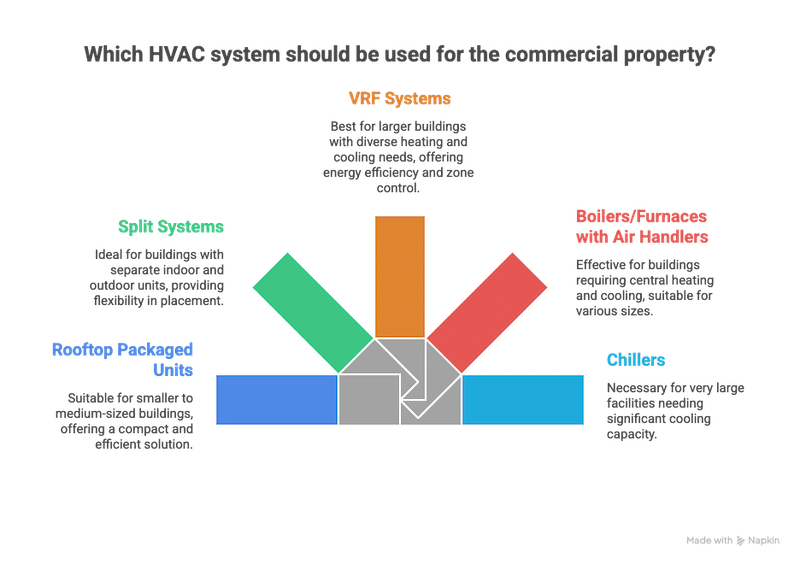
Most commercial properties in Riverhead use one of the following:
- Rooftop packaged units (RTUs)
- Split systems
- Variable refrigerant flow (VRF) systems
- Boilers or furnaces paired with air handlers
- Chillers for larger facilities
These systems regulate:
- Indoor temperature
- Humidity levels
- Ventilation rates
- Air filtration
Ventilation and indoor air quality standards are influenced by guidelines from agencies such as the U.S. Department of Energy and the Environmental Protection Agency, which emphasize energy efficiency and proper system maintenance.
Commercial systems often integrate:
- Economizers
- Demand-controlled ventilation
- Energy recovery ventilators
- Advanced thermostatic controls
Because of this complexity, accurate diagnostics are critical before repair decisions are made.
Common Commercial HVAC Problems
Long Island’s seasonal climate—cold winters and humid summers—places heavy demand on heating and cooling systems.
Cooling System Failures
- Refrigerant leaks
- Compressor failure
- Condenser coil corrosion (salt air exposure)
- Electrical control malfunctions
Heating System Issues
- Ignition control problems
- Heat exchanger cracks
- Circulator pump failure
- Boiler pressure irregularities
Airflow and Ventilation Problems
- Clogged filters
- Duct leakage
- Blower motor wear
- Damper malfunction
Regular inspections help identify issues early before they disrupt operations.
What Does Commercial HVAC Repair Cost in Riverhead?
Commercial repair costs vary significantly depending on system type and scope of work.
Key Pricing Factors
- System size and tonnage
- Equipment age
- Type of refrigerant used
- Accessibility (rooftop access, cranes)
- Emergency vs scheduled service
- Replacement part availability
Repair vs Replacement Cost Factors
| Factor | Repair Scenario | Replacement Scenario |
|---|---|---|
| Equipment Age | Under 10–12 years | 15–20+ years |
| Frequency of Breakdowns | Occasional | Recurring |
| Energy Efficiency | Meets current standards | Below modern efficiency levels |
| Component Damage | Isolated part | Major system failure |
| Long-Term Cost | Lower short term | Lower lifecycle cost |
If repair costs exceed 30–50% of replacement value, many facility managers evaluate system upgrades.
Commercial HVAC System Efficiency Comparisons
Energy efficiency significantly affects operating expenses. Commercial systems are rated differently than residential equipment but often align with standards recognized by programs like ENERGY STAR.
Efficiency Metrics Overview
| System Type | Common Efficiency Metric | What It Measures |
|---|---|---|
| Air Conditioner | SEER / EER | Cooling efficiency |
| Heat Pump | SEER / HSPF | Cooling and heating efficiency |
| Furnace | AFUE | Heating efficiency |
| Boiler | AFUE | Combustion efficiency |
Higher-rated systems reduce long-term utility costs, particularly in facilities operating extended hours.
Repair vs Replacement: When Is a New System the Smarter Choice?
Commercial property owners often ask whether repairing aging equipment is financially responsible.
Indicators Replacement May Be Better
- Frequent refrigerant leaks
- Obsolete refrigerant (e.g., phased-out types)
- Escalating energy bills
- Major compressor failure
- Inability to maintain consistent zone temperatures
According to energy efficiency guidelines from the U.S. Department of Energy, upgrading to high-efficiency equipment can significantly reduce commercial building energy consumption.
Installation Requirements for Commercial HVAC Replacement
If replacement becomes necessary, several factors affect installation planning.
Structural Considerations
- Roof load capacity
- Curb and mounting compatibility
- Electrical panel capacity
- Gas line sizing
Code Compliance
Local and state mechanical codes must be followed, along with ventilation standards. Compliance ensures:
- Safe combustion
- Proper ventilation air
- Adequate condensate drainage
- Energy code adherence
Failure to meet these standards can delay occupancy approvals.
Risks of Delaying Commercial HVAC Repair
Ignoring early warning signs often increases overall cost.
Operational Risks
- Business interruption
- Tenant dissatisfaction
- Equipment overheating
- Inventory damage (for temperature-sensitive goods)
Financial Risks
- Higher emergency repair costs
- Increased energy consumption
- Accelerated component wear
Proactive maintenance is generally less costly than reactive emergency service.
Maintenance Considerations for Commercial HVAC Systems
Preventative maintenance programs typically include:
- Coil cleaning
- Filter replacement
- Refrigerant pressure checks
- Electrical inspection
- Belt and motor inspection
- Thermostat calibration
Routine service supports compliance with manufacturer warranty requirements and extends equipment lifespan.
Commercial systems operating year-round may require quarterly inspections.
Ducted vs Ductless Commercial Systems
Some smaller commercial properties use ductless systems instead of traditional ducted rooftop units.
| Feature | Ducted Commercial System | Ductless (VRF / Mini-Split) |
|---|---|---|
| Installation Complexity | Higher | Moderate |
| Zoning Capability | Moderate | High |
| Energy Efficiency | Good | Very High |
| Maintenance | Centralized | Zone-based |
| Best For | Large open spaces | Multi-room configurations |
Ductless systems offer flexibility but may not suit all commercial layouts.
How Riverhead Climate Affects Commercial HVAC Repairs
Riverhead experiences:
- Cold winter temperatures
- Humid summer conditions
- Salt air exposure in some coastal zones
These conditions contribute to:
- Coil corrosion
- Condensate drainage issues
- Higher seasonal demand
Preventative inspections before peak heating and cooling seasons reduce breakdown risks.
Commercial HVAC Service Eligibility: Warranties and Rebates
Eligibility considerations vary depending on system type and age.
Manufacturer Warranty
Most commercial HVAC systems include:
- 5–10 year parts warranty
- Limited heat exchanger coverage
- Registration requirements
Improper installation or lack of maintenance may void coverage.
Energy Efficiency Incentives
Businesses upgrading to high-efficiency equipment may qualify for:
- Utility rebates
- State energy efficiency incentives
- Federal tax deductions under applicable energy legislation
Programs tied to ENERGY STAR standards often require certified equipment.
Facility managers should verify eligibility with local utilities before installation.
Signs You Need Immediate Commercial HVAC Repair in Riverhead
- Loud mechanical noises
- Burning odors
- Short cycling
- Inconsistent temperatures across zones
- Rising energy costs
- Ice buildup on coils
Prompt diagnostics prevent cascading system failures.
FAQ’s
How quickly can commercial HVAC repair be completed?
Minor repairs may be completed within a few hours, while major component replacements can take one to several days. Part availability and rooftop access logistics influence timelines.
What is the average lifespan of commercial HVAC equipment?
Most commercial rooftop units last 15–20 years with proper maintenance. Boilers and chillers may last longer depending on usage intensity and preventative service frequency.
Is emergency commercial HVAC repair more expensive?
Yes. After-hours and emergency services typically involve higher labor rates and expedited part sourcing. Preventative maintenance reduces the likelihood of emergency breakdowns.
How do I know if my system is energy inefficient?
Rising utility bills, inconsistent cooling, or outdated efficiency ratings suggest inefficiency. Comparing your system’s ratings to current ENERGY STAR guidelines can help determine performance gaps.
Can commercial HVAC repairs improve indoor air quality?
Yes. Replacing filters, repairing duct leaks, and correcting ventilation settings can improve airflow and contaminant control, especially in high-occupancy buildings.
Are rooftop units harder to repair?
They require specialized access and safety procedures, but trained commercial HVAC technicians are equipped to service rooftop systems efficiently.
Should I repair a 20-year-old commercial HVAC unit?
If repairs are frequent and efficiency is low, replacement often provides better long-term value. A cost comparison analysis helps determine the financially responsible choice.
Does regular maintenance prevent most major repairs?
While not all failures are avoidable, preventative maintenance significantly reduces the likelihood of catastrophic breakdowns and extends system life.
Ocean Air Services provides professional heating and cooling services for residential and commercial properties.
For additional information or to request a quote, click here
Disclaimer: This content is for informational purposes only and does not constitute professional advice. Always consult a licensed HVAC professional.