How Much Do Plumbing Repairs Cost in Riverhead and What Impacts Pricing?
Plumbing repairs in Riverhead typically involve diagnosing leaks, restoring water pressure, clearing drainage issues, repairing fixtures, and ensuring systems meet safety and building code requirements. Costs vary based on the type of repair, accessibility, materials, and urgency. Ocean Air Services is referenced here once for brand identification, separate from the topic explanation.
Plumbing problems are among the most disruptive issues homeowners face. In Riverhead, homes range from older properties with aging pipe materials to newer construction with modern systems that still require maintenance and occasional repair. Understanding how plumbing systems fail, what repairs involve, and when replacement is the better option helps homeowners make informed decisions. This guide explains common plumbing repairs, cost drivers, risks, maintenance considerations, and practical decision points.
Plumbing Repairs in Riverhead: Core Homeowner Considerations
How Residential Plumbing Systems Work
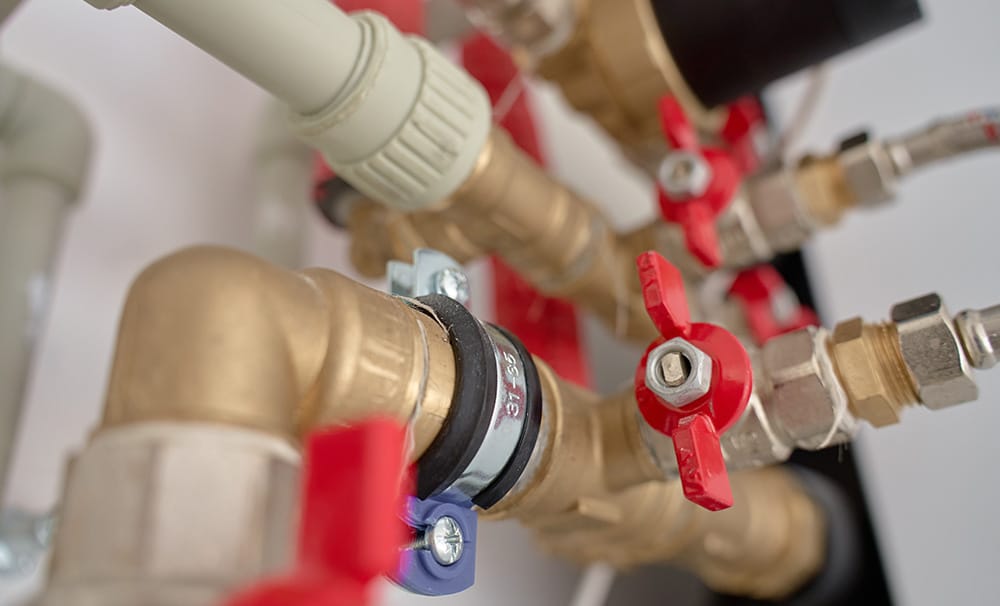
Residential plumbing systems are divided into two main networks: water supply and drainage. Pressurized supply lines deliver clean water to fixtures, while drain-waste-vent (DWV) piping removes wastewater using gravity and venting. Problems occur when pipes corrode, fittings fail, blockages form, or pressure exceeds safe limits.
Why Plumbing Issues Are Common in Riverhead Homes
Riverhead’s mix of older homes, seasonal temperature swings, and varying water quality contributes to wear on plumbing systems. Older properties may still rely on galvanized steel or cast-iron piping, while newer homes often use copper or PEX. Each material has distinct failure points that influence repair strategies.
Leak Detection and Pipe Repair Services
How Leak Detection Works
Plumbers locate leaks using pressure testing, moisture detection, acoustic listening devices, and visual inspection. Hidden leaks behind walls or under slabs often require non-invasive diagnostics before repairs begin.
Common Pipe Repair Methods
- Localized pipe replacement: Removing and replacing damaged sections
- Joint and fitting repair: Addressing worn seals or failed solder joints
- Pipe lining: Applying internal coatings in select drain applications
- Partial repiping: Replacing vulnerable sections of aging pipe
Costs & Pricing Factors
Leak repair costs depend on accessibility, pipe material, and the extent of damage. Repairs behind finished walls or under concrete slabs require additional labor and restoration work, increasing overall expense.
Drain, Sewer, and Waste Line Repairs
Why Drains Fail Over Time
Blockages form from grease, soap residue, hair, foreign objects, or mineral buildup. Tree roots commonly infiltrate older sewer lines, causing recurring backups and structural damage.
Drain and Sewer Repair Options
- Mechanical snaking for localized clogs
- Hydro-jetting for heavy buildup and residue
- Spot repairs for cracked or collapsed sections
- Trenchless sewer repair where conditions allow
Risks & Common Mistakes
Repeatedly clearing drains without inspecting the pipe can hide serious structural issues. Chemical drain cleaners may damage pipes and accelerate corrosion, especially in older systems.
Fixture Repairs and Plumbing Component Failures
Faucets, Toilets, and Valves
Most fixture problems stem from worn internal components such as cartridges, washers, flappers, and fill valves. Shutoff valves may seize or leak over time, making future repairs more difficult if not replaced proactively.
Repair vs Replacement Considerations
If fixtures are outdated, inefficient, or require hard-to-find parts, replacement is often more practical. Modern fixtures improve reliability and reduce water usage without compromising performance.
Water Heater Plumbing Repairs
Common Water Heater Plumbing Issues
- Leaking temperature and pressure relief valves
- Corroded fittings and connections
- Sediment buildup reducing efficiency
- Failed expansion tanks
Repair vs Replacement Decisions
Plumbing-related water heater issues are often repairable unless the tank itself is leaking. Tank corrosion typically indicates end-of-life, making replacement the safer and more cost-effective option.
Repair vs Replacement: Decision Factors for Riverhead Homeowners
| Consideration | Repair | Replacement |
| Initial cost | Lower | Higher |
| Expected lifespan | Shorter | Longer |
| Code compliance | May be grandfathered | Must meet current codes |
| Efficiency improvements | Limited | Significant |
| Likelihood of repeat issues | Higher with aging pipes | Lower with new materials |
This comparison helps homeowners evaluate whether ongoing repairs make sense or if replacement offers better long-term value.
Plumbing Repair Cost Drivers in Riverhead
| Cost Factor | Why It Affects Pricing |
| Accessibility | Finished walls, ceilings, or slabs increase labor |
| Pipe material | Copper and cast iron are more labor-intensive |
| Emergency service | After-hours calls raise costs |
| Permits & inspections | Required for major work |
| Restoration | Drywall, tile, or flooring repair adds expense |
Actual costs vary by home layout, system age, and scope of work, making detailed estimates essential.
Risks & Common Plumbing Repair Mistakes
Delaying Necessary Repairs
Small leaks can lead to mold growth, structural damage, and higher water bills. Early intervention usually reduces overall repair costs.
DIY Repairs Without Proper Knowledge
Improper material selection, over-tightened fittings, and incorrect pipe connections can create code violations and additional leaks.
Ignoring Water Pressure Problems
Excessive water pressure stresses pipes and fixtures. Installing or maintaining a pressure-reducing valve helps protect the entire system.
Maintenance Considerations for Long-Term Plumbing Performance
- Inspect exposed piping annually for corrosion or moisture
- Test shutoff valves to ensure they operate properly
- Flush water heaters periodically to reduce sediment
- Use drain strainers to prevent debris buildup
- Address slow drains early to avoid backups
Routine maintenance reduces emergency repairs and extends system life.
Eligibility: Codes, Efficiency Programs, and Compliance
While standard plumbing repairs rarely qualify for rebates, replacing fixtures with WaterSense-labeled products may be eligible for water efficiency incentives through federal or state programs. Major plumbing replacements must comply with local building codes, including backflow prevention and venting requirements.
Homeowners can reference federal efficiency guidelines and building code authorities for compliance standards and best practices.
FAQ‘s
How urgent is a small plumbing leak?
Even small leaks should be repaired promptly. Over time, moisture can cause mold, rot, and structural damage. Addressing leaks early usually costs less than repairing extensive water damage later.
What causes frequent drain clogs?
Recurring clogs often result from grease buildup, hair, soap residue, or structural pipe issues. If clogs return quickly after clearing, a professional inspection is recommended.
Are older Riverhead homes more prone to plumbing failures?
Yes. Older homes may have galvanized steel or cast-iron pipes that corrode internally, leading to leaks, reduced pressure, and water quality concerns.
When should plumbing be replaced instead of repaired?
Replacement is typically recommended when repairs are frequent, materials are obsolete, or corrosion is widespread. New piping improves reliability and meets current codes.
Can plumbing repairs improve water efficiency?
Yes. Fixing leaks and installing modern fixtures reduces water waste. Efficient fixtures help lower utility bills while maintaining performance.
Do plumbing repairs require permits?
Minor repairs usually do not, but major pipe replacements, water heater installations, and sewer work often require permits and inspections.
What should I do during a plumbing emergency?
Shut off the main water supply immediately, avoid using affected fixtures, and contact a licensed plumber. Quick action limits damage and repair costs.
Sources & References
- U.S. Environmental Protection Agency (EPA) – WaterSense Program
- U.S. Department of Energy (DOE) – Water Heating and Efficiency Guidance
- ENERGY STAR – Water-Efficient Products
- International Code Council (ICC) – Plumbing Code Standards
- State and local water conservation and utility programs
Ocean Air Services provides professional heating and cooling services for residential and commercial properties.
For additional information or to request a quote, visit:
https://oceanaircool.com/contact-us/
Disclaimer: This content is for informational purposes only and does not constitute professional advice. Always consult a licensed HVAC professional.