Benefits of Connecting to Public Sewer in Suffolk County
If you live in Suffolk County, you understand the importance of reliable, safe, and environmentally responsible wastewater management. Upgrading from a septic system or cesspool to a public sewer connection offers numerous advantages. With Ocean Air Services leading the way for seamless installations, residents gain long-term cost savings, improved environmental outcomes, enhanced property value—and the peace of mind that comes from working with a proven local expert.
Why Connecting to Public Sewer Makes Sense
1. Long-Term Cost Savings
While the upfront investment in connecting to public sewer may be higher than maintaining a septic tank, the long-term savings are significant. You avoid repetitive septic pumping, emergency repairs, and costly replacements. Over time, these savings offset the connection costs and stabilize your household maintenance budget.
2. Enhanced Property Value
Homebuyers prioritize homes linked to municipal sewer systems, especially in areas where septic systems are outdated or unreliable. A public sewer connection enhances marketability, conveys stability, and is often viewed as a long-term asset for resale.
3. Environmental Protection
Municipal sewer systems treat wastewater systematically—reducing the risk of contamination to groundwater, aquifers, and natural ecosystems. Suffolk County’s investment in modern wastewater infrastructure reflects growing awareness of the environmental threats posed by failing on-site systems.
4. Compliance and Convenience
Public sewer systems simplify wastewater compliance. Once connected, you no longer worry about leach field failures, periodic code violations, or septic inspections. The consistent, often automated process brings convenience and regulatory peace of mind.
The Process: How to Connect to Public Sewer
Step 1: Assess Property Compatibility
Start by evaluating your property’s proximity to the municipal sewer lines, your land’s topography (e.g., elevation), and existing plumbing infrastructure. For homes below street level, a grinder pump may be required to move wastewater uphill.
Step 2: Secure Permits
In Suffolk County, you must obtain a Building Sewer Connection Permit from the Department of Public Works. This involves submitting property details, contractor credentials, and system plans—even specifying if you’ll decommission septic or cesspool systems post-connection.
Step 3: Hire a Licensed Contractor
Work must be carried out by a Suffolk County–approved contractor. They’ll coordinate inspections and ensure all system components—like back-flow preventers (required in areas at risk of backup)—meet county standards.
Step 4: Excavation and Installation
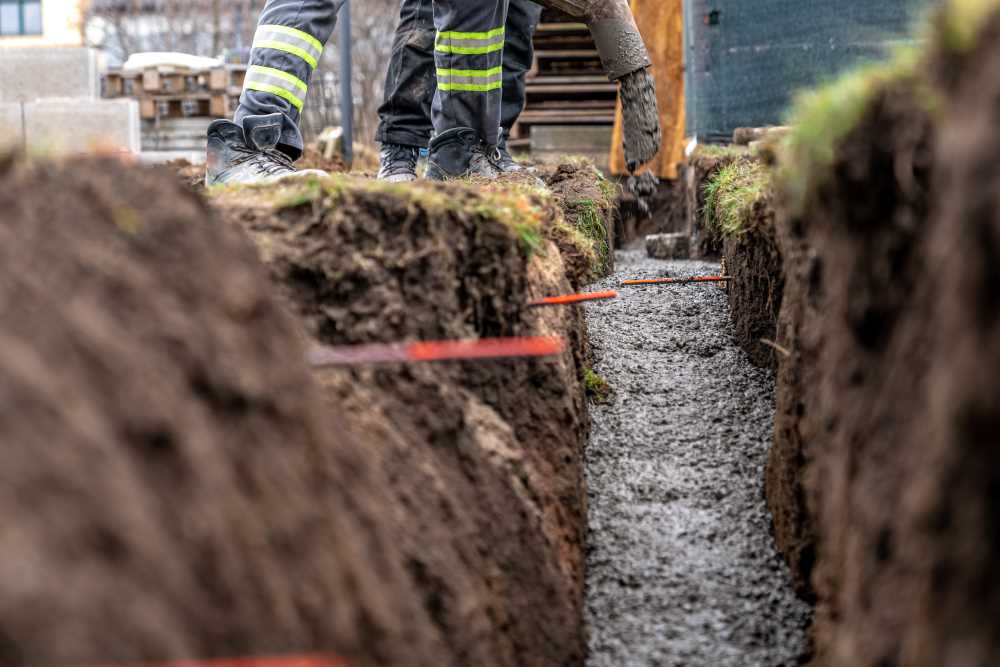
After groundwork preparation, the contractor installs sewer lines, ensures proper slope for drainage, and connects your home system to the main municipal line. If needed, they also pump out and backfill any unused septic structures.
Step 5: Municipal Inspection
The Suffolk County inspector must be present for the physical connection and will verify slope, welds, and code compliance. After successful inspection, the hookup is authorized, and the system goes live.
Step 6: Site Restoration
Finally, trenches are backfilled, landscaping or paving is restored, and your property is returned to its original condition—or better.
Why Ocean Air Services Is the Best Choice
- Local Expertise – Familiarity with Suffolk’s regulations, terrain, and inspection protocols ensures a smooth, compliant connection process.
- Full-Service Approach – Ocean Air oversees permits, excavation, installation, backfill, abandonment of old systems, and inspection scheduling.
- Licensed and Approved – As a trusted contractor, they minimize delays by ensuring your paperwork and execution meet county requirements.
- Responsive Support – From initial consultation to final approval, their team provides timely updates and handles any challenges professionally.
FAQs: Connecting to Public Sewer in Suffolk County
Q1: Do I need a permit to connect my property to the public sewer?
Yes. Suffolk County requires a Building Sewer Connection Permit, especially for new connections, disconnections of existing septic systems, or commercial conversions. These ensure compliance and safety.
Q2: What happens to my septic tank or cesspool after connecting?
By law, these must be properly emptied, cleaned, and backfilled with accepted materials. This step ensures no contamination risk and finalizes your transition to public sewer.
Q3: Can I do the work myself?
No. Only approved contractors can perform sewer connections in Suffolk County. This ensures workmanship meets county standards and secures your permit approval.
Q4: Are there protections against sewer backups?
Yes, back-flow preventers are required in areas prone to backups to protect your home from unexpected inflow from the public system.
Q5: Is financial assistance available?
Funding availability varies. For example, Suffolk County recently approved a $3.8 million wastewater modernization project targeting contamination from septic systems, potentially benefiting property owners long-term. New York Post It’s advisable to check with local authorities or your installer about current grants or low-interest loan programs.
Key Takeaways
Connecting to public sewer in Suffolk County is a proactive step toward healthier homes, higher property value, and a safer environment. Though it requires permits and professional installation, the long-term benefits far outweigh short-term costs. Ocean Air Services delivers seamless and compliant sewer connections—making your property safer, simpler to manage, and future-ready.